MANUFACTURING & OPERATIONS
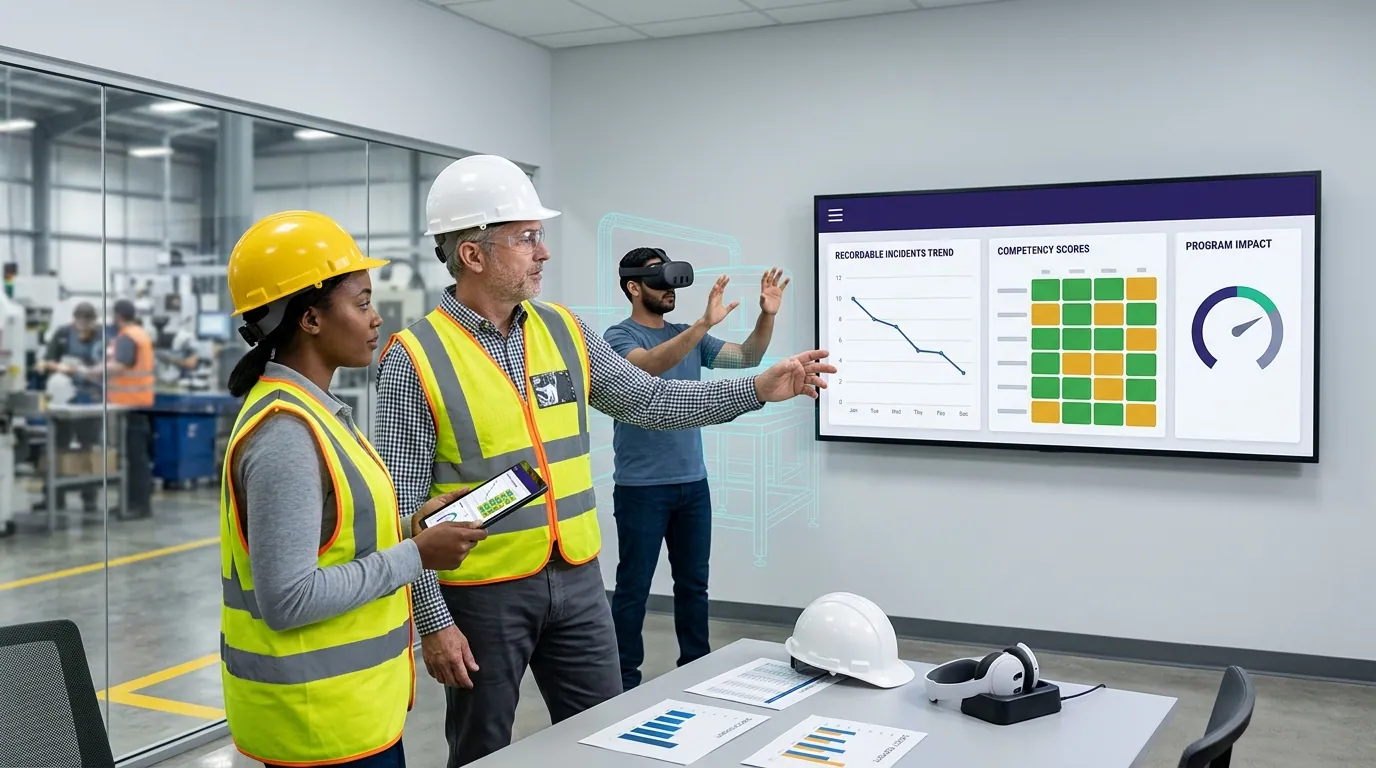
Best Industrial Training Companies (2026): 6 Compared
Six industrial training companies compared by skilled-trades depth, hands-on simulation, and certification.
READ ARTICLE →
80 guides on manufacturing & operations training, written for the leaders who own it. Each one answers a real operational question, then shows how The Prime VR builds your existing program into immersive, measured VR practice.
Six industrial training companies compared by skilled-trades depth, hands-on simulation, and certification.
READ ARTICLE →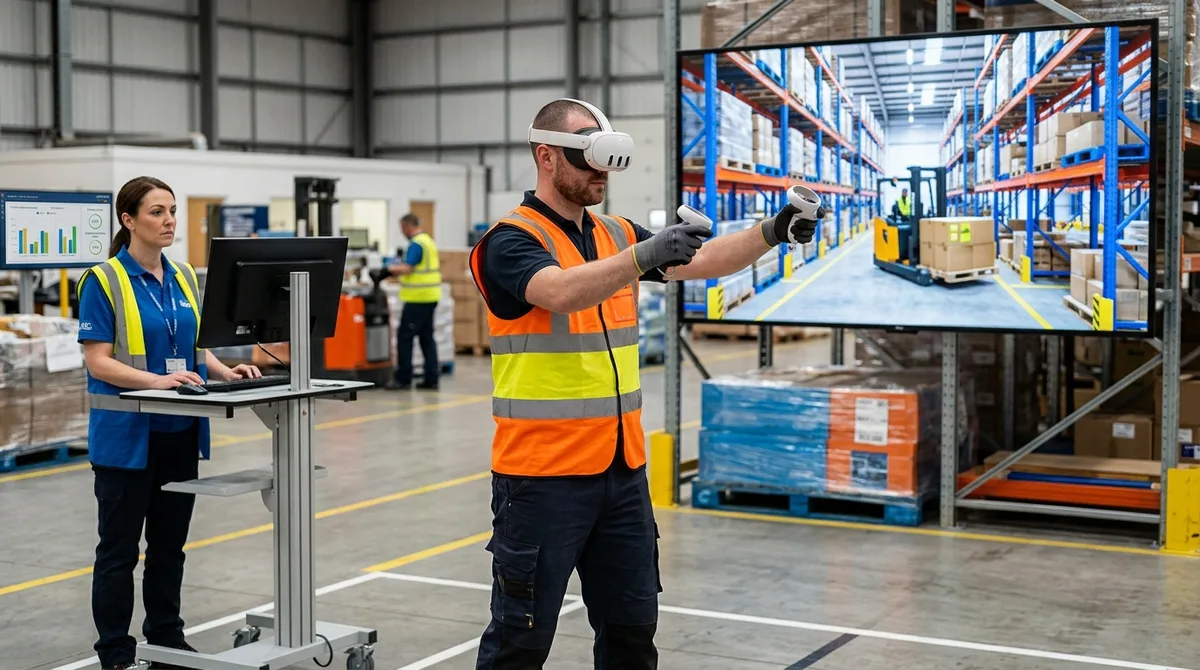
Six warehouse training programs compared by safety and OSHA coverage, equipment certification, and onboarding.
READ ARTICLE → Six logistics and supply chain training providers compared by certification recognition, depth, and format.
READ ARTICLE →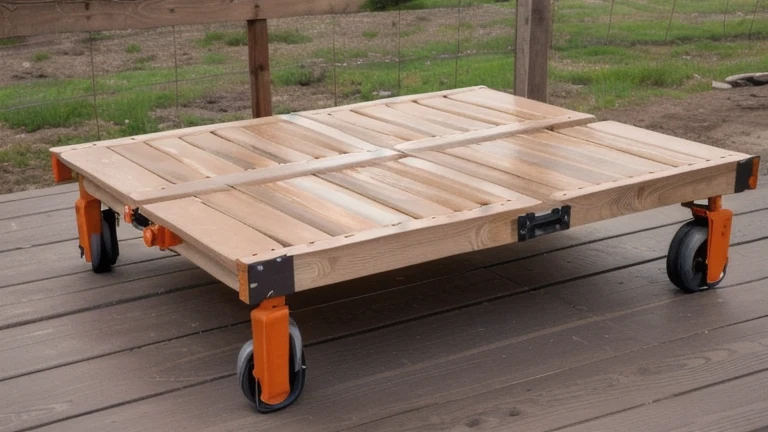
Flatbed load securement: the working load limit rule, tie-down count, directional restraint, and edge protection.
READ ARTICLE →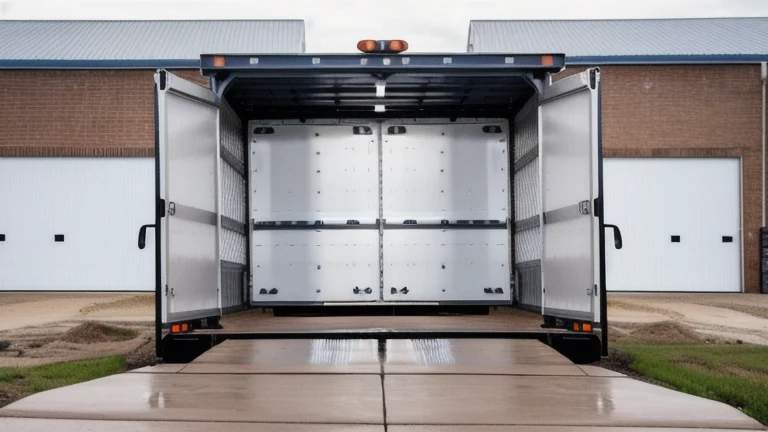
Backing and docking maneuvers: alley docks, offset backs, blind-side approaches, GOAL, and the pull-up habit.
READ ARTICLE →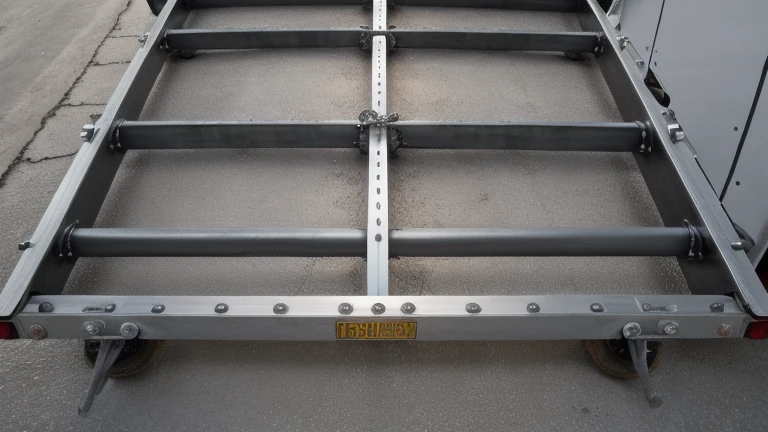
Hazmat loading and placarding: hazard class placards, segregation of incompatible loads, securement, and shipping papers.
READ ARTICLE →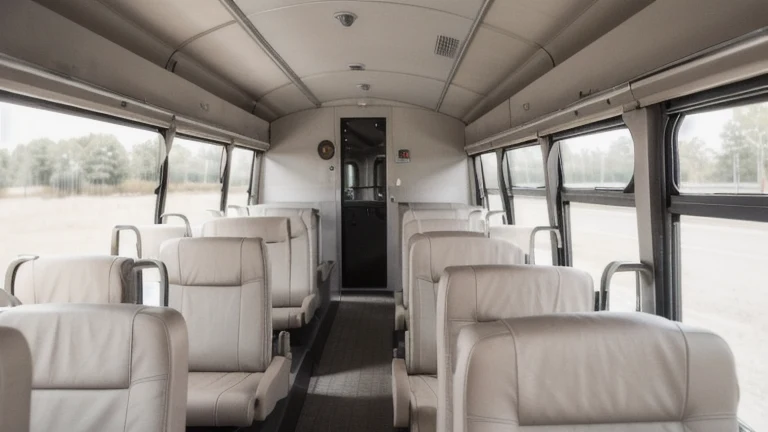
The CDL passenger endorsement: safety inspections, loading and unloading, evacuation, and handling a loaded vehicle.
READ ARTICLE →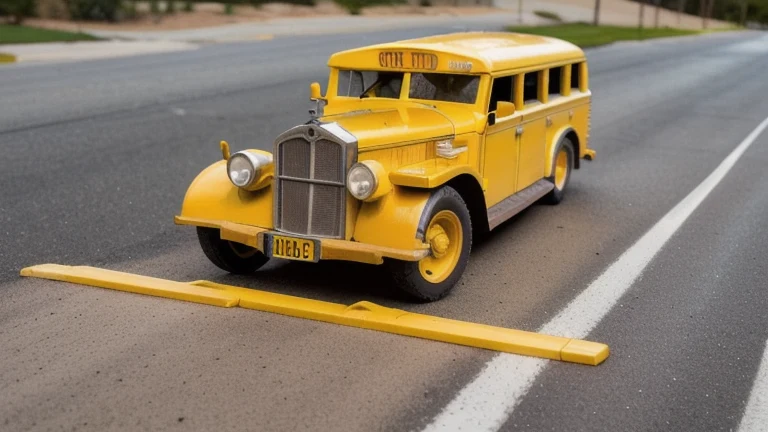
The CDL school bus endorsement: the danger zone, loading procedure, railroad crossings, and emergency evacuation.
READ ARTICLE →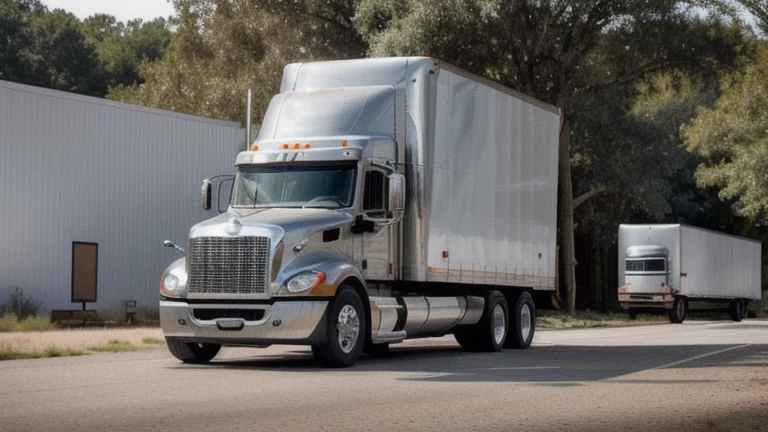
The CDL doubles and triples endorsement: rearward amplification, converter dolly coupling, and multi-trailer handling.
READ ARTICLE →
Winter and mountain driving: tire chains, low-gear grade descents, engine braking, runaway ramps, and ice traction.
READ ARTICLE →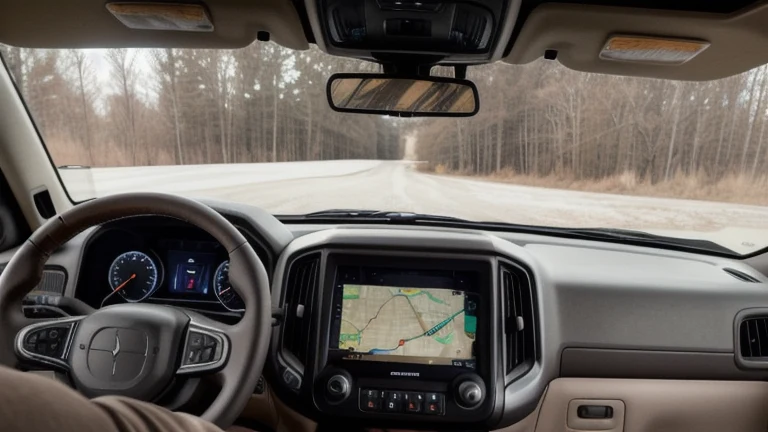
Hours of service and ELD: the 11 and 14-hour limits, the 30-minute break, duty-status logging, and staying compliant.
READ ARTICLE →
The DOT physical and medical card: what the exam checks, the certificate term, and staying medically qualified to drive.
READ ARTICLE →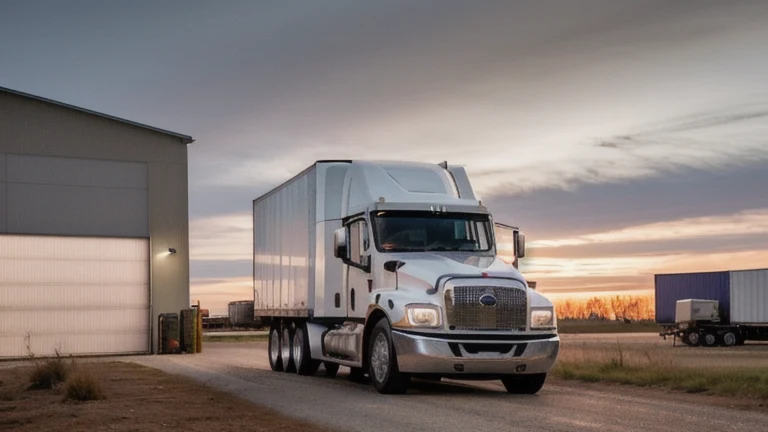
Commercial vehicle post-trip inspection and the DVIR: catching defects, documenting them, and protecting the next driver.
READ ARTICLE →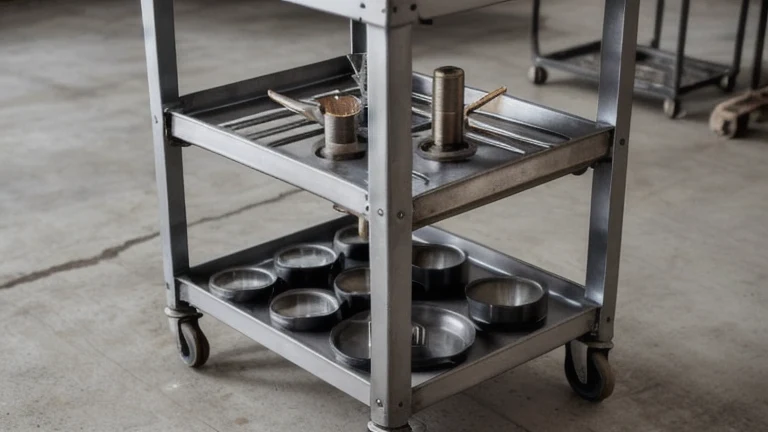
Machine setup and changeover with SMED: internal vs external setup, staged tooling, and faster production turnarounds.
READ ARTICLE →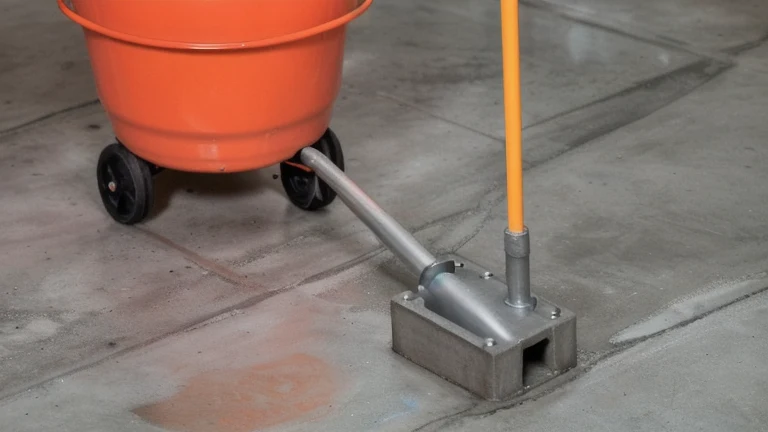
Injection molding operator skills: the molding cycle, diagnosing short shots, flash, sink and warp, and machine safety.
READ ARTICLE →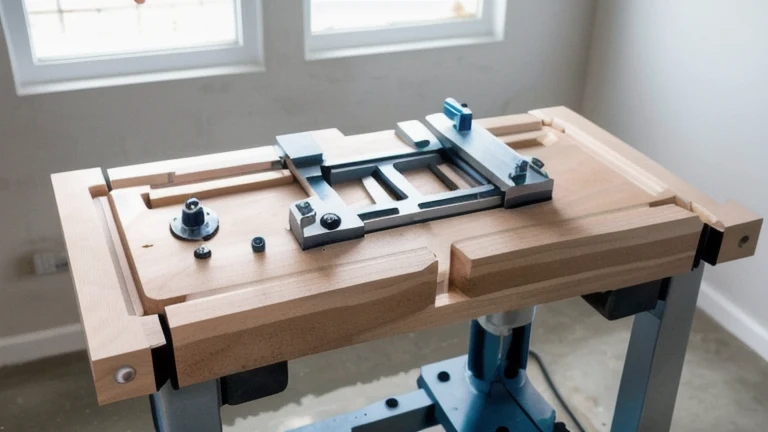
CNC setup and workholding: rigid fixturing, work coordinates, tool offsets, and program verification before the cut.
READ ARTICLE →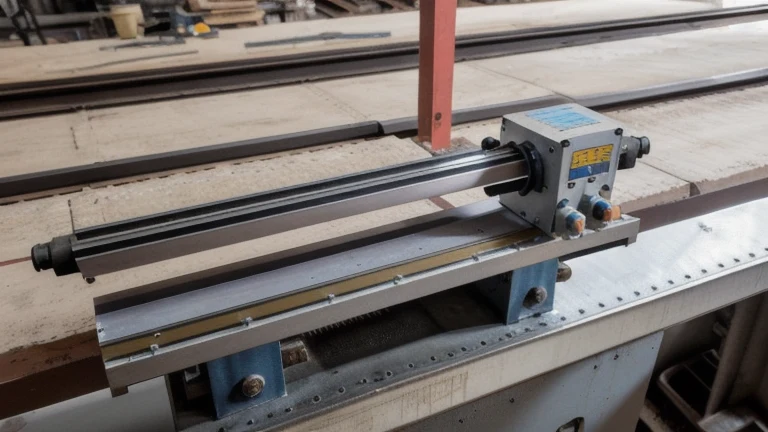
Press brake operation: tooling selection, back gauge and bend allowance, and point-of-operation safety on every stroke.
READ ARTICLE →
Quality inspection and metrology: caliper, micrometer and indicator technique, calibration, and interpreting GD&T tolerances.
READ ARTICLE →
Packaging and palletizing: stable stacking patterns, weight distribution, stretch wrap and banding, and handling labels.
READ ARTICLE →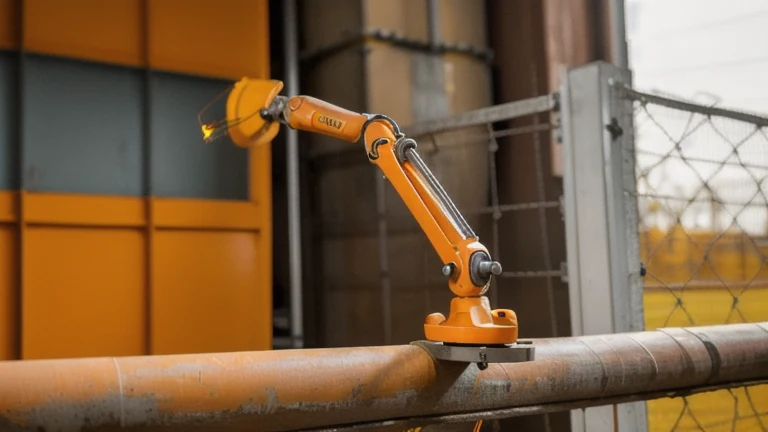
Robotic cell operation: running and recovering the cycle, respecting fencing and interlocks, and safe-entry lockout.
READ ARTICLE →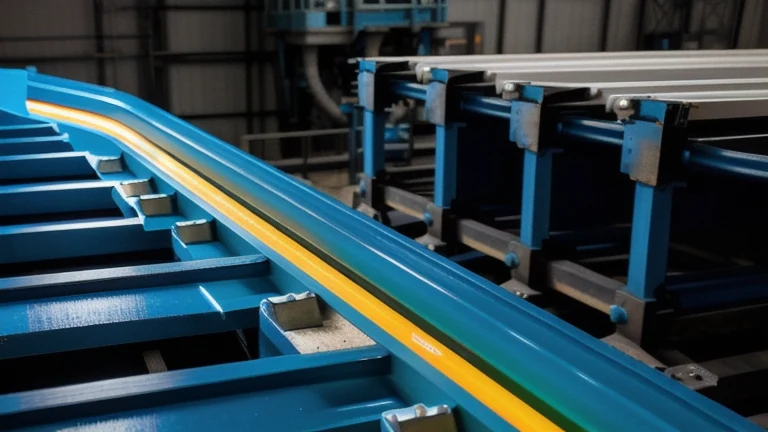
Extrusion operator skills: balancing temperature, screw speed and haul-off, monitoring dimensions, and clean startup.
READ ARTICLE →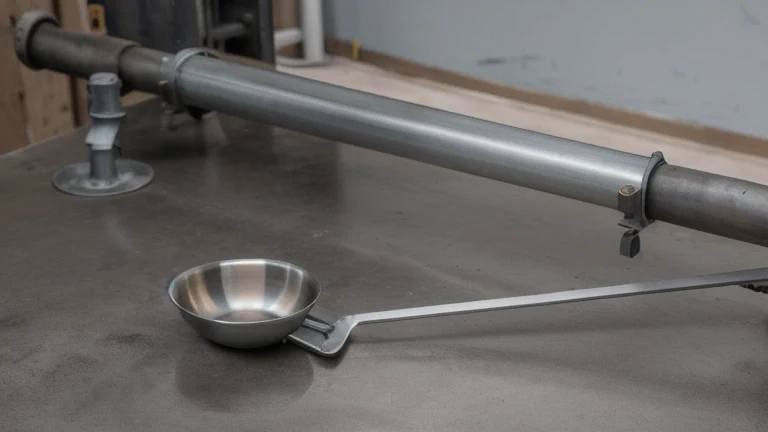
Die casting operator skills: the shot cycle, diagnosing porosity, cold shuts and flash, and molten-metal and clamp safety.
READ ARTICLE →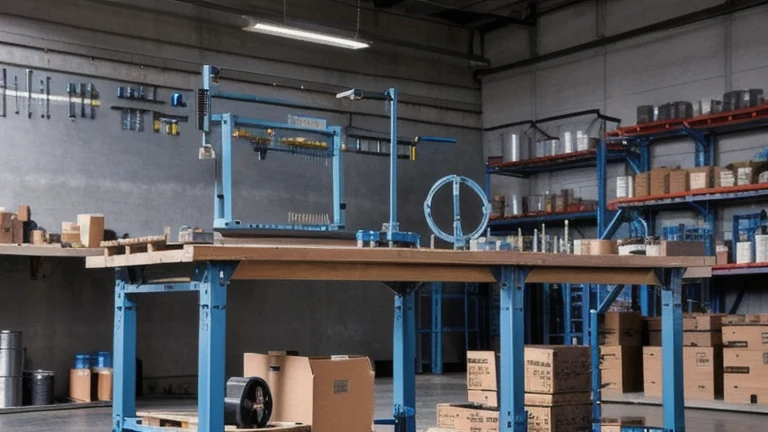
Assembly line standard work: takt time, defined work sequence, standard in-process inventory, and station consistency.
READ ARTICLE →
The difference between Class A and Class B CDL, what each allows, and how to choose by vehicle and career.
READ ARTICLE →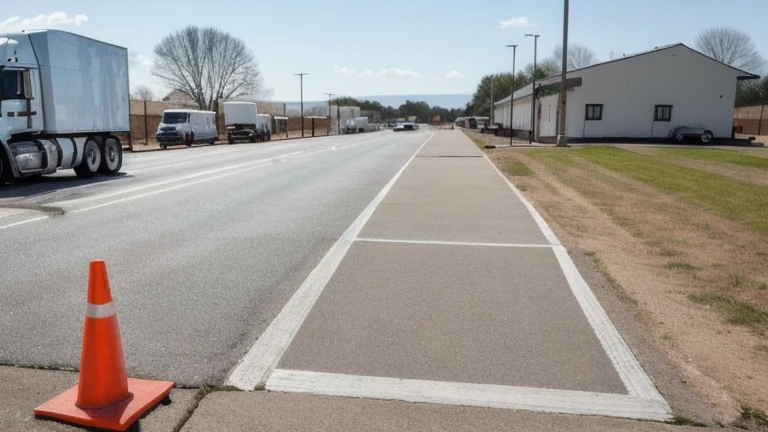
The CDL backing maneuvers, reference points and small corrections, and why backing causes so many accidents.
READ ARTICLE →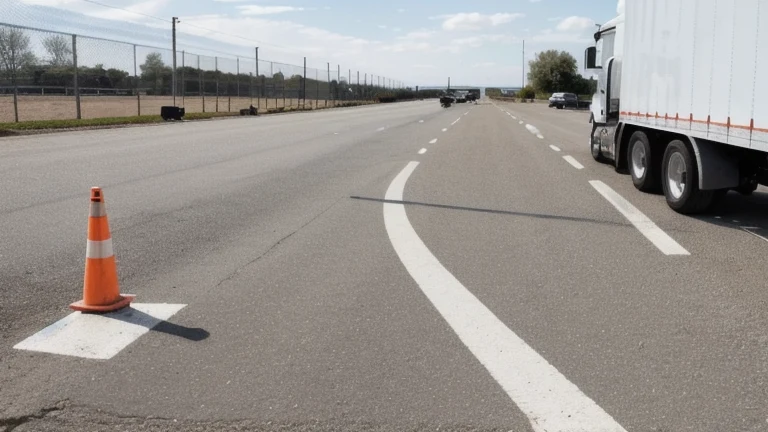
The three parts of the CDL skills test, what each demands, and how to prepare to pass the first time.
READ ARTICLE →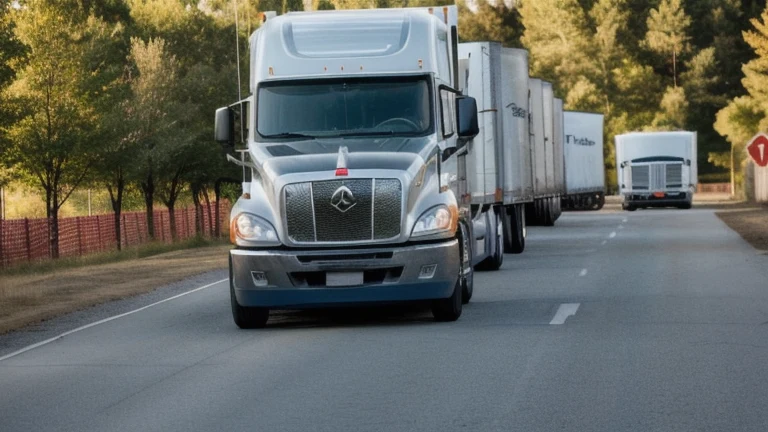
Coupling and uncoupling a tractor-trailer, the fifth wheel and tug test, and the errors that drop trailers.
READ ARTICLE →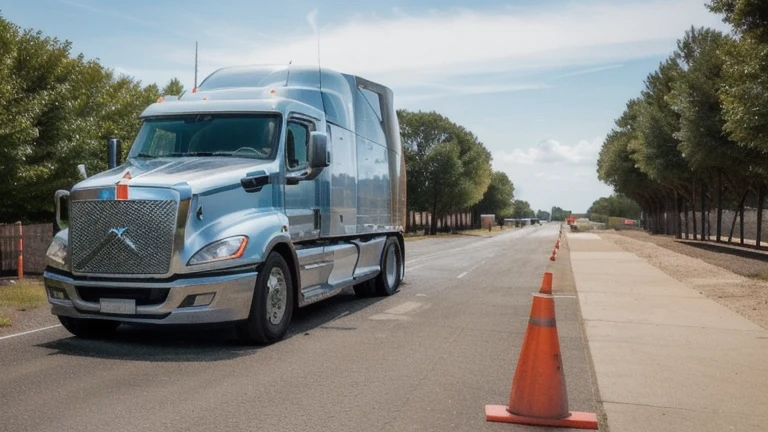
Tie-downs, working load limit, and blocking and bracing, and why unsecured loads cause highway accidents.
READ ARTICLE →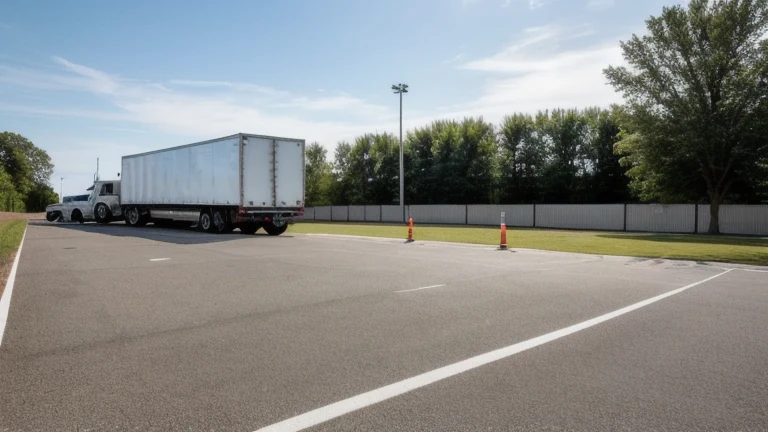
The 11 and 14-hour limits, the 30-minute break and weekly caps, and how the ELD tracks hours of service.
READ ARTICLE →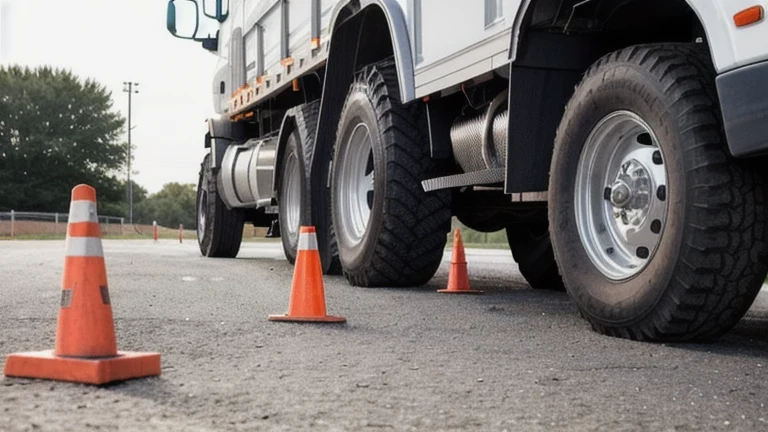
What causes skids, drive-wheel versus trailer skids and jackknife, and the recovery techniques that regain control.
READ ARTICLE →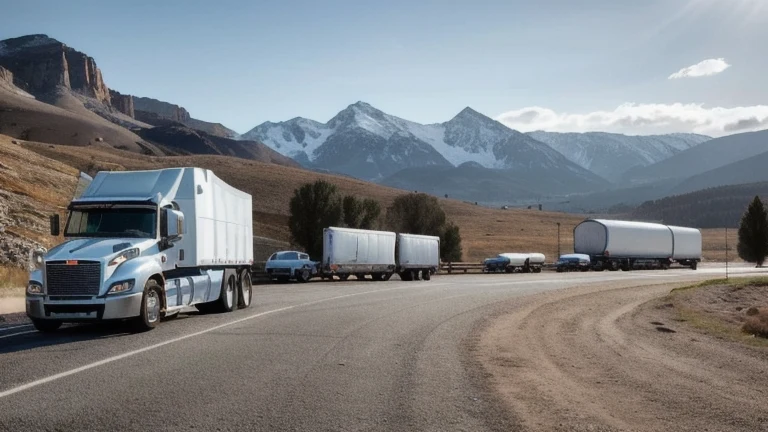
Steep grade technique, gear selection and engine braking, brake fade, and what runaway ramps are for.
READ ARTICLE →
Driving in rain, snow, ice, and fog, adjusting speed and distance, hydroplaning, and knowing when to stop.
READ ARTICLE →
Why fatigue causes crashes, the warning signs of drowsy driving, and the sleep and scheduling that prevent it.
READ ARTICLE →
Verifying shipments, inspecting for damage, and putaway slotting strategies that keep a warehouse accurate.
READ ARTICLE →
Operating manual and electric pallet jacks safely, ramp control, and the injuries careless use causes.
READ ARTICLE →
Reach trucks and order pickers in narrow-aisle high racking, how they differ from forklifts, and working at height.
READ ARTICLE →
Trailer creep and early departure, dock levelers and restraints, and the procedures that prevent dock accidents.
READ ARTICLE →
Cycle counting versus full physical counts, ABC prioritization, and why inventory accuracy drives performance.
READ ARTICLE →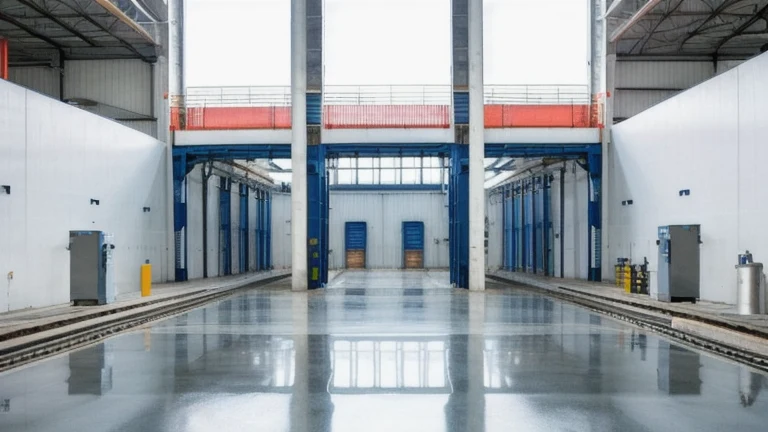
The pack and ship process, packaging and protection, order verification, and why the last step shapes the customer experience.
READ ARTICLE →
Coordinating trailers, doors, and drivers, yard spotting and management, and how flow prevents dock congestion.
READ ARTICLE →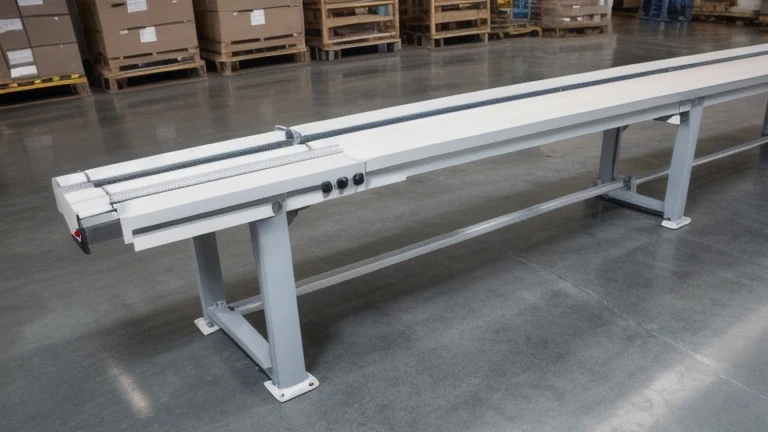
Ergonomics and safe lifting technique, workstation design, and why repetitive strain is a hidden warehouse cost.
READ ARTICLE →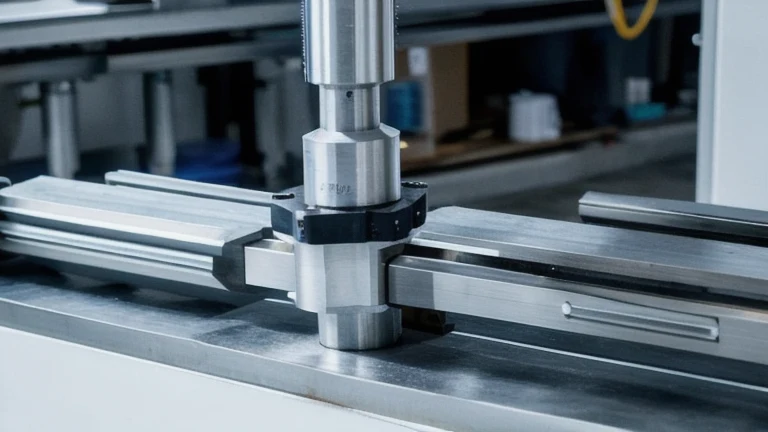
How CNC machining works, what modern machinists do, and why setup and precision define the trade.
READ ARTICLE →
What root cause analysis is, the methods like 5 Whys and fishbone, and why it stops problems from recurring.
READ ARTICLE →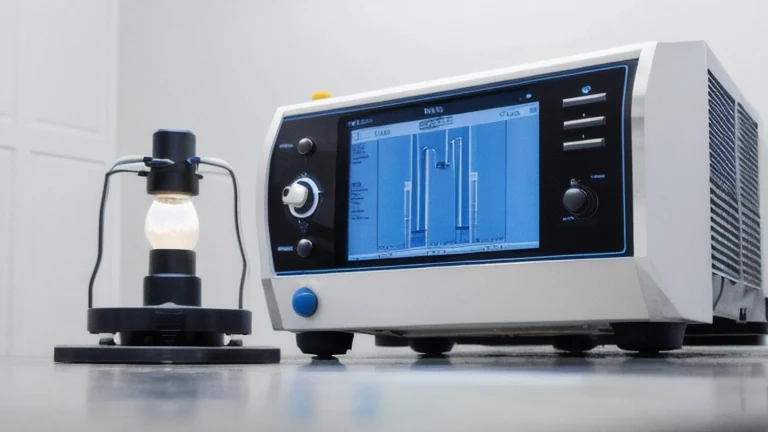
What nondestructive testing is, the common methods and certification levels, and why interpretation is the real skill.
READ ARTICLE →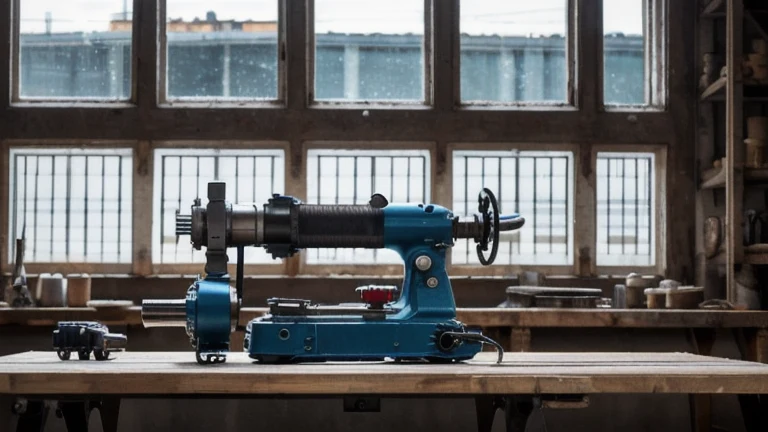
What an industrial maintenance technician does, the multi-craft skills, and why fast troubleshooting is the core value.
READ ARTICLE →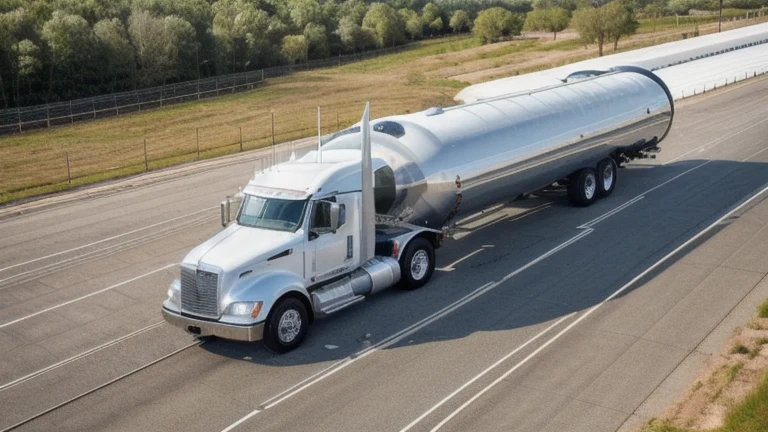
What the CDL tanker endorsement covers, why liquid surge changes handling, and how it combines with HazMat.
READ ARTICLE →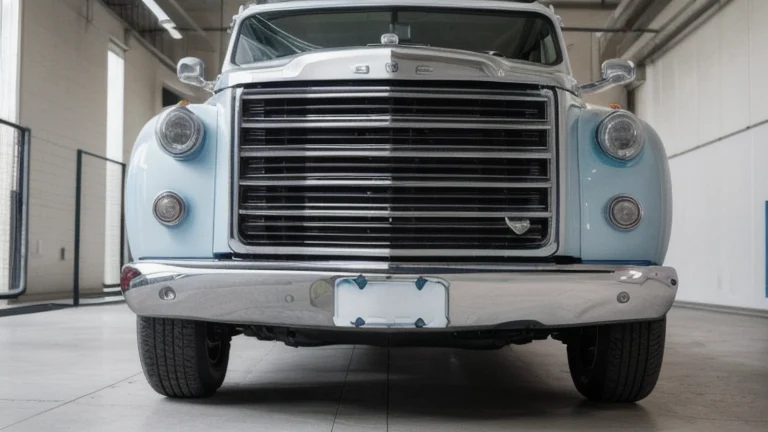
What the CDL air brakes endorsement covers, how the system works, and why the pre-drive air check is essential.
READ ARTICLE →
What Lean Six Sigma is, how belts and DMAIC work, and why sustaining improvement is the hard part.
READ ARTICLE →
What Good Manufacturing Practices require, the core principles, and why documentation is the backbone of GMP.
READ ARTICLE →
How statistical process control and control charts separate real problems from normal variation, and why tampering hurts.
READ ARTICLE →
The five steps of 5S, why it is the foundation of Lean, and why Sustain is where most programs fail.
READ ARTICLE →
What the CDL HazMat endorsement requires, from the TSA check to placarding, and why it carries extra responsibility.
READ ARTICLE →
What the CDL pre-trip inspection covers, why candidates fail it, and how a physical routine turns it into a daily habit.
READ ARTICLE →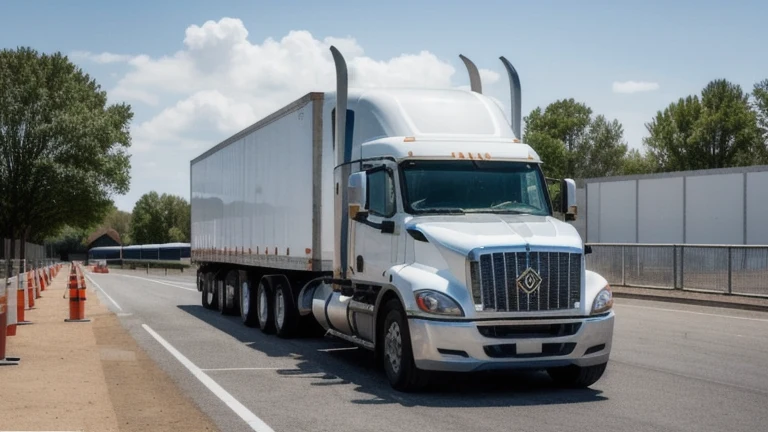
How CDL training is structured across classes and endorsements, and what the FMCSA ELDT rule changed for new drivers.
READ ARTICLE →
What defensive driving courses teach, why fleets invest in them, and why hazard practice beats lecture.
READ ARTICLE →
What lean manufacturing is, the five principles, and the eight wastes, and how lean improves flow, quality, and cost.
READ ARTICLE →
What Six Sigma is, the DMAIC cycle, the belt system, and how it reduces defects and variation.
READ ARTICLE →
What root cause analysis is, why treating symptoms fails, and how the 5 Whys and fishbone diagram find the true cause.
READ ARTICLE →
What kaizen is, the philosophy of continuous improvement, kaizen events, and why small changes compound.
READ ARTICLE →
What GMP is, the principles of good manufacturing practice, where it applies, and how it ensures product safety and quality.
READ ARTICLE →
The difference between quality control and quality assurance, detection vs prevention, and how they work together.
READ ARTICLE →
Inventory management fundamentals, FIFO and LIFO, safety stock, reorder points, ABC analysis, and just-in-time.
READ ARTICLE →
The main warehouse picking methods, piece, batch, zone, and wave, how each works, and how to choose.
READ ARTICLE →
What a standard operating procedure is, why organizations use SOPs, and how they drive consistency, safety, and training.
READ ARTICLE →
How to write an SOP people actually follow, the structure, the writing process, common mistakes, and keeping it current.
READ ARTICLE →
The 5S methodology explained, Sort, Set in Order, Shine, Standardize, Sustain, and how it improves safety and efficiency.
READ ARTICLE →
An onboarding framework that shortens time to productivity, the four phases, the metric that matters, and why hands-on practice beats information dumps.
READ ARTICLE →
Measuring VR training effectiveness means tracking performance, transfer, and business impact, not completion. A practical four-level framework for L&D leaders.
READ ARTICLE →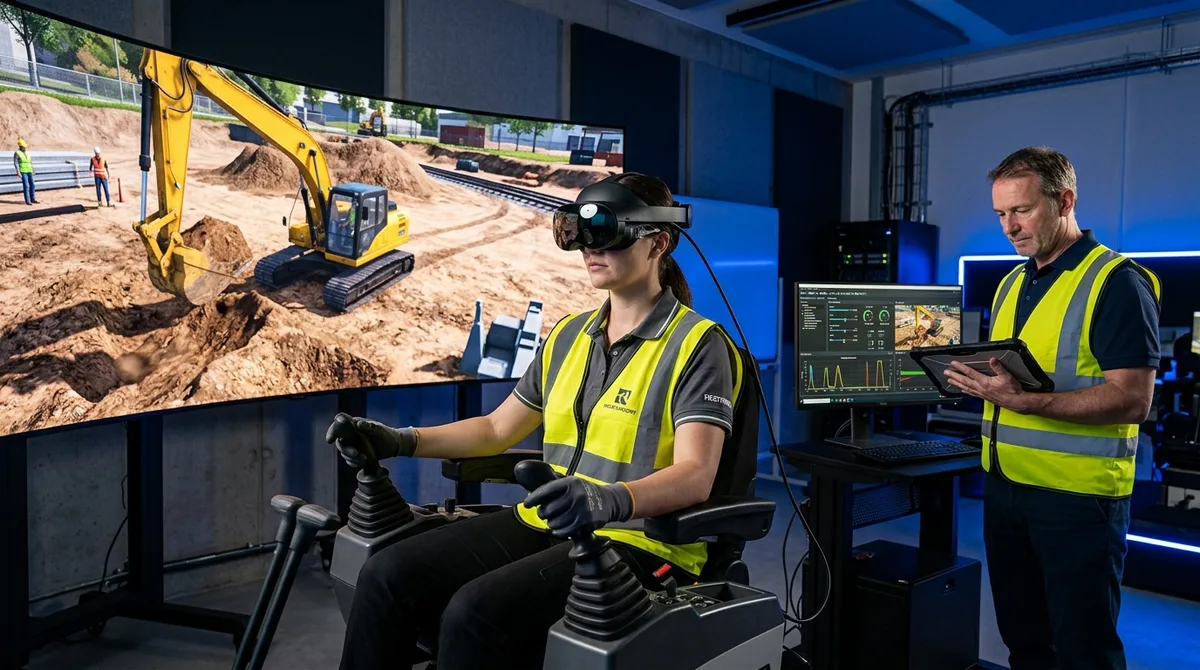
Heavy equipment simulator training uses VR to let operators practice excavators, loaders, and cranes safely before touching real machines. How it works and where it fits.
READ ARTICLE →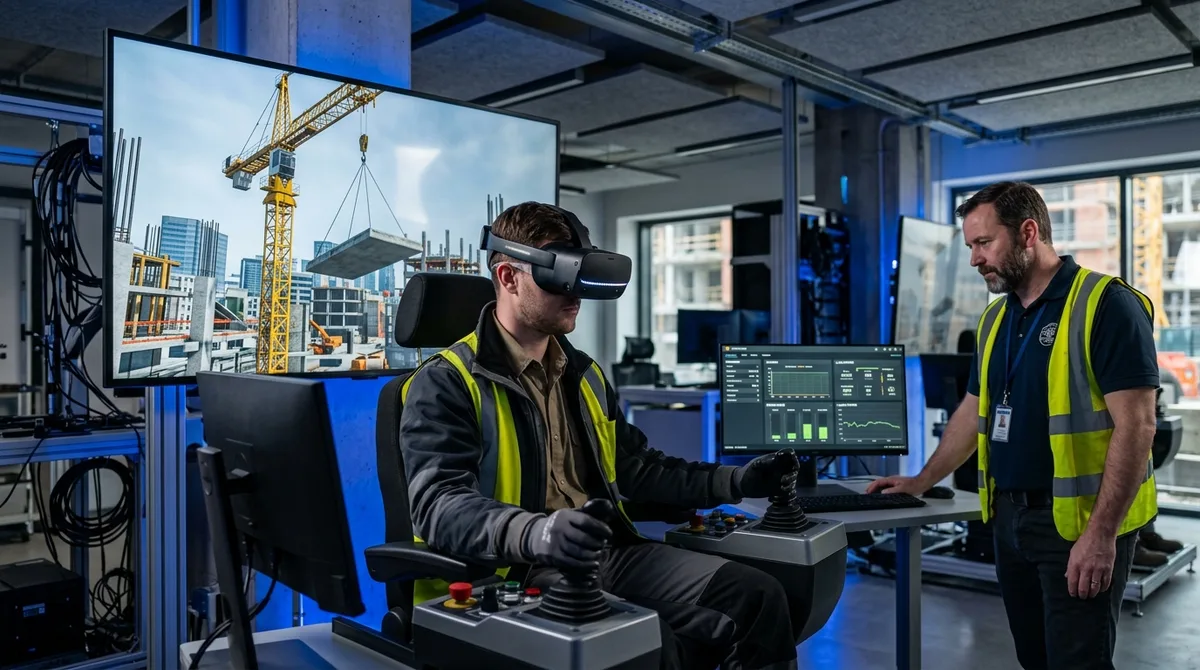
A crane operator training simulator uses VR to practice load control, blind lifts, and rigging judgment safely. How it works, the safety case, and certification support.
READ ARTICLE → Logistics and warehouse VR training cuts ramp time and reduces incidents by letting workers practice picking, equipment, and safety before the first shift. Built for high-turnover ops.
READ ARTICLE →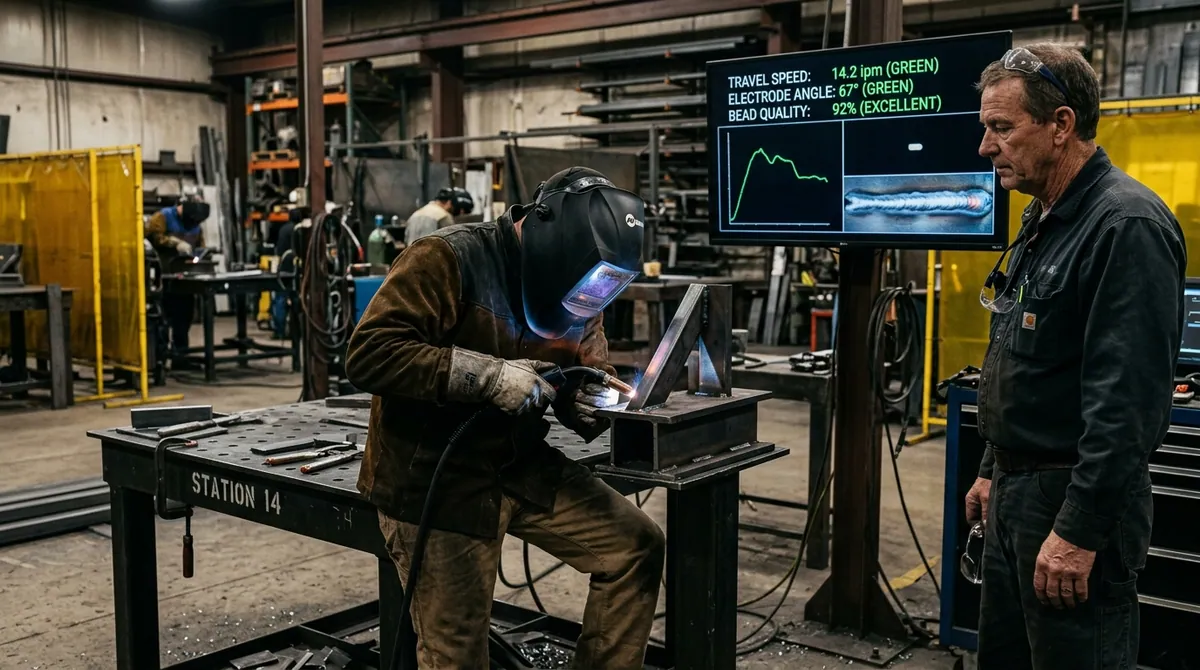
Welding simulation training lets apprentices practice torch position, travel speed, and arc control before burning consumables. See how VR welding programs reduce waste and accelerate skill development.
READ ARTICLE →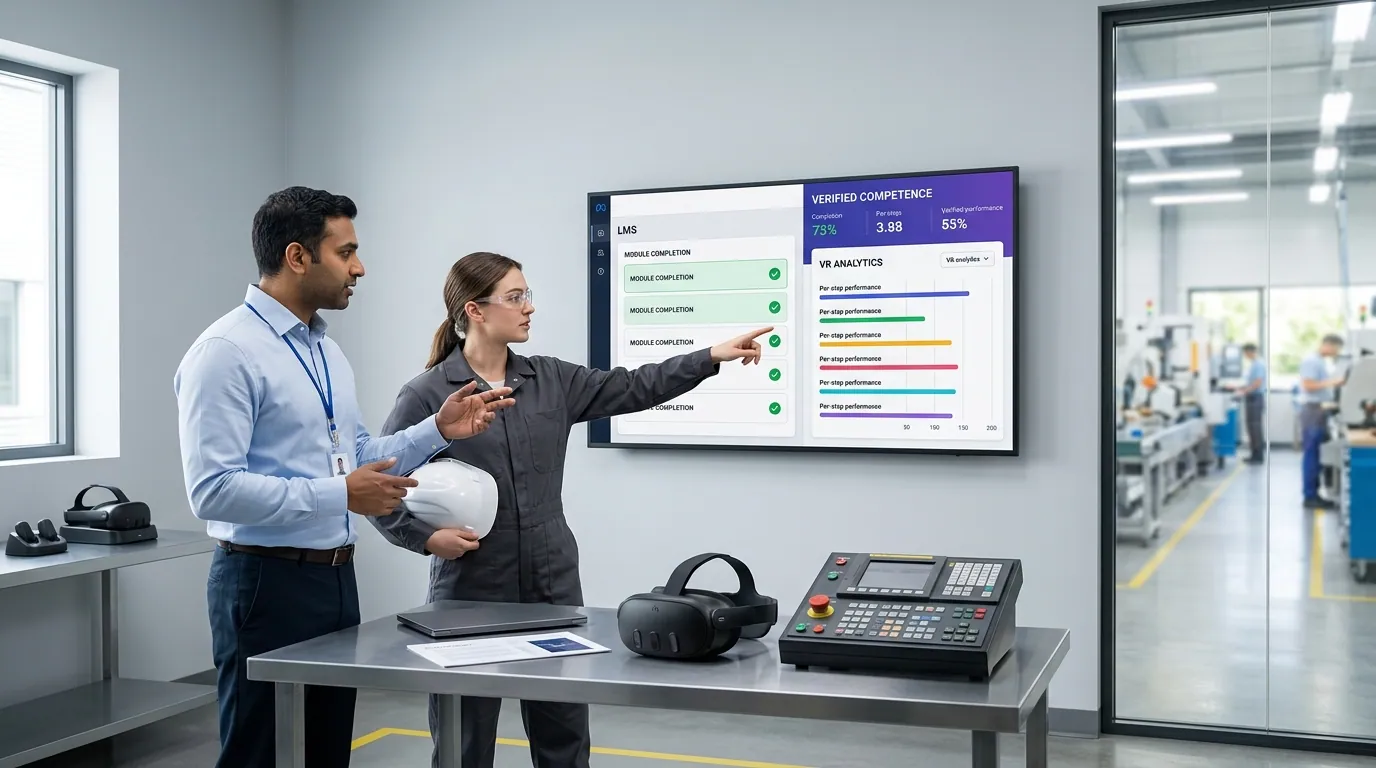
A manufacturing LMS proves training was delivered but cannot verify procedural competence. See why VR simulation is the missing layer, and how its data flows back into your existing LMS via xAPI.
READ ARTICLE →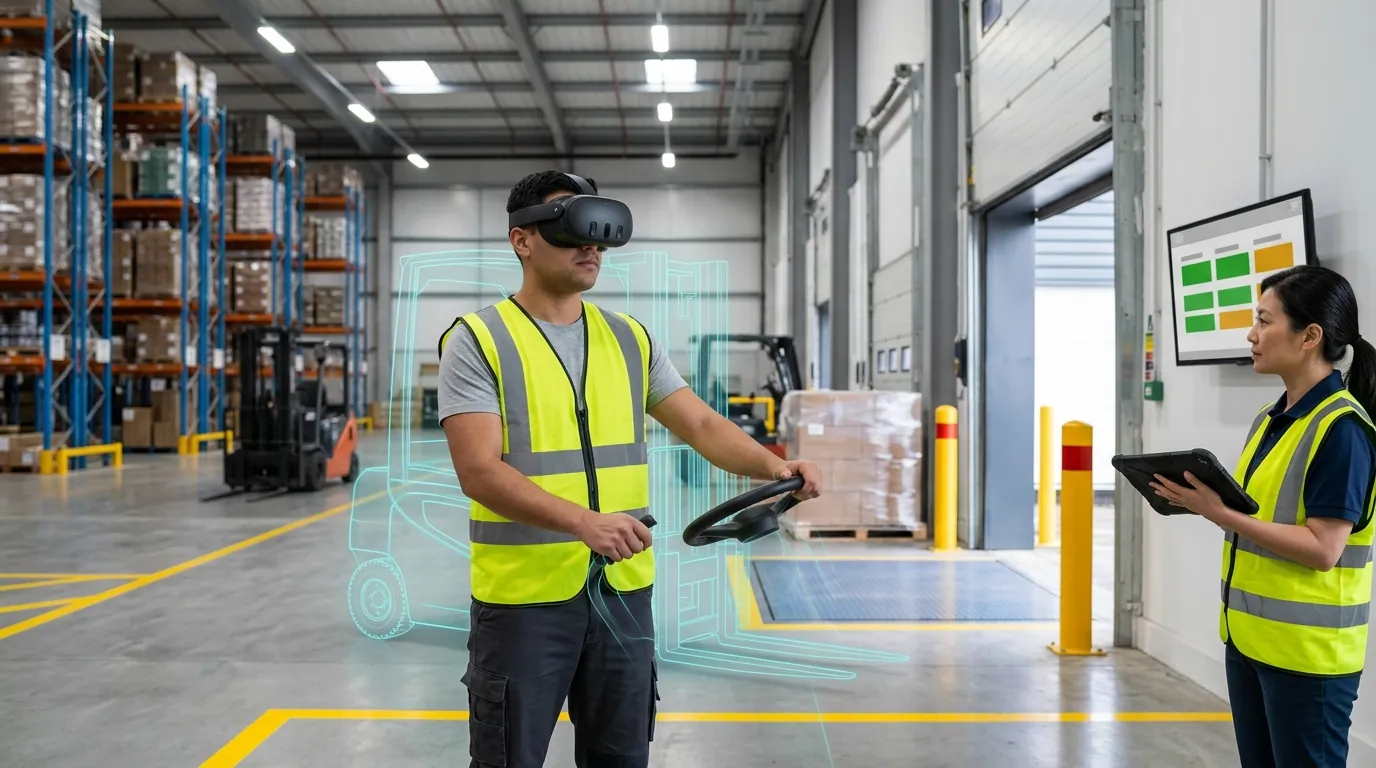
Forklift safety is real-time spatial judgment that cannot be learned from a video. See how a VR forklift simulator lets operators practice maneuvering, load handling, and near-miss response safely, supporting OSHA 1910.178.
READ ARTICLE →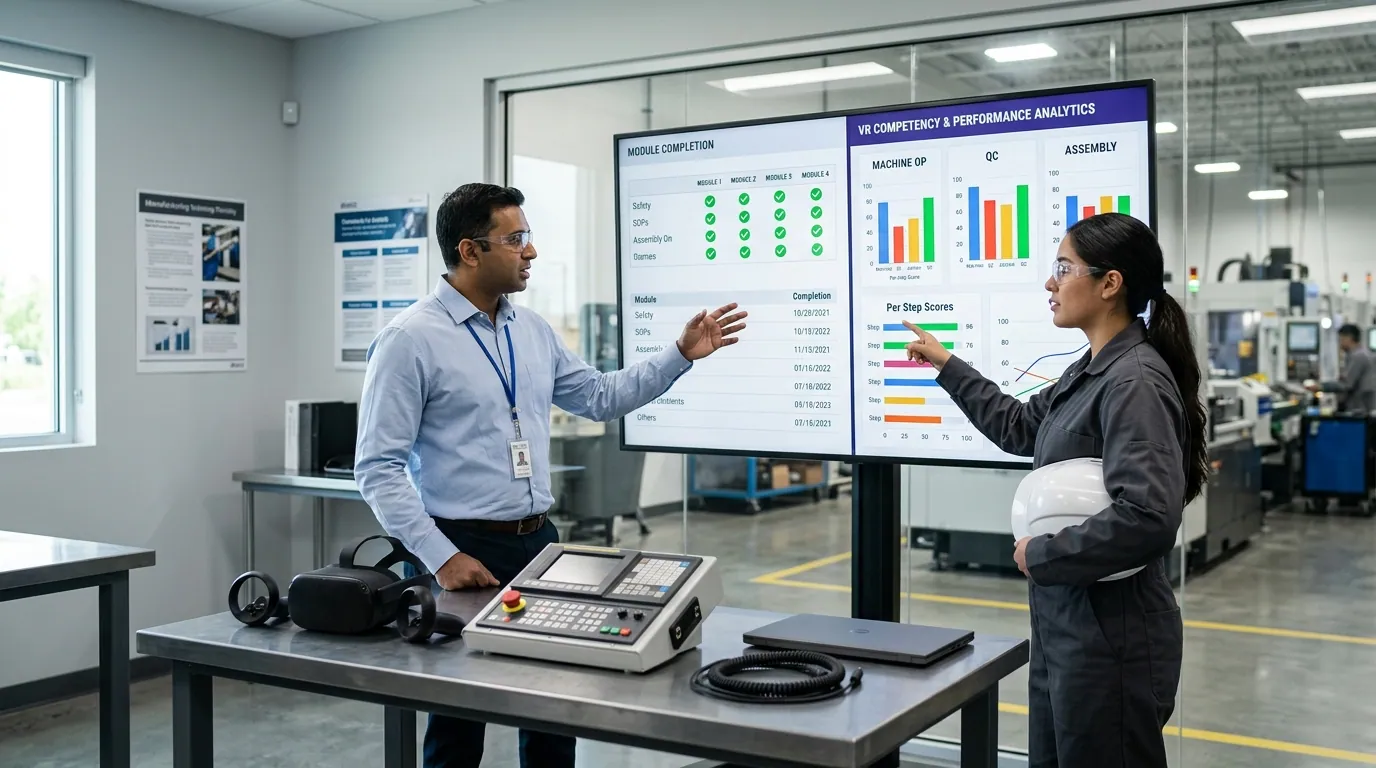
Manufacturing training software is shifting from content delivery to performance measurement. See how VR simulation replaces legacy LMS for procedural and safety training, and where the two still work together.
READ ARTICLE →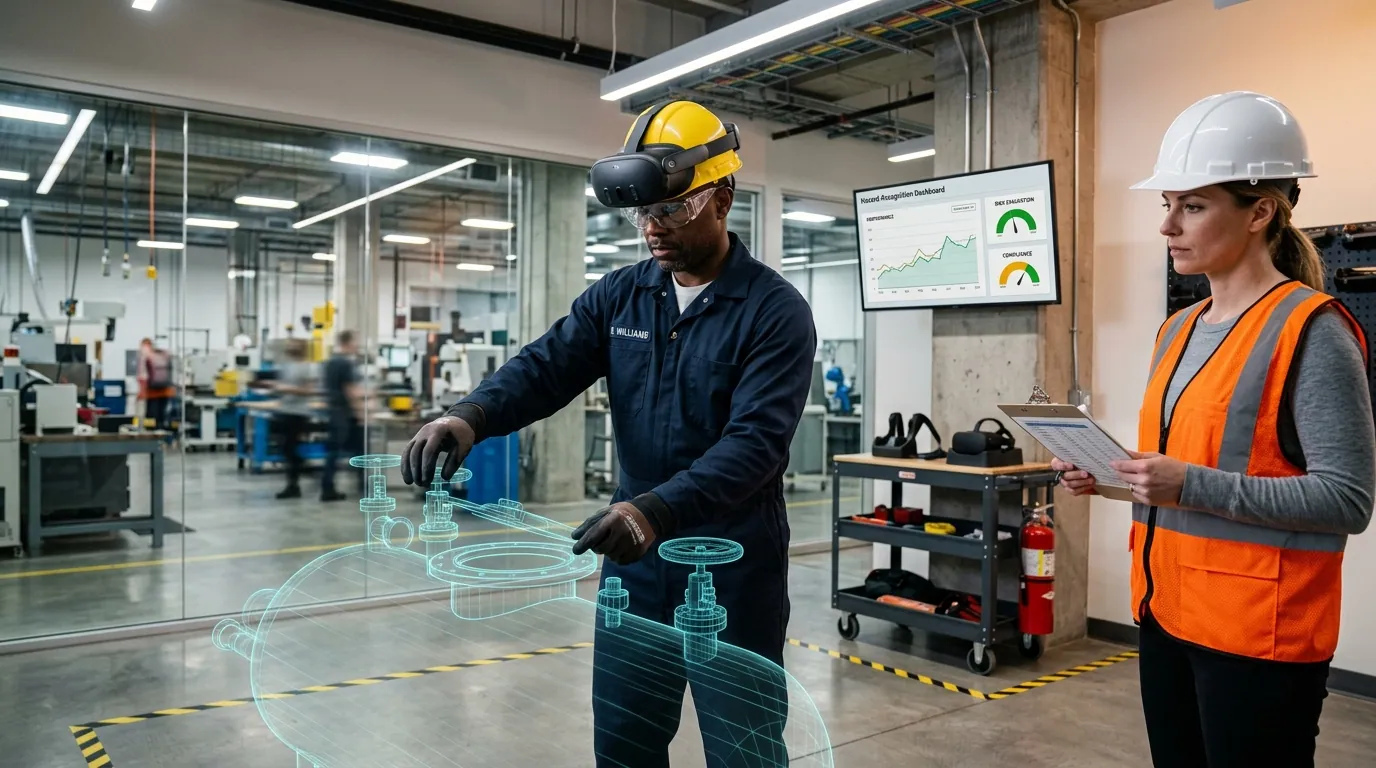
Classroom safety training teaches recognition, not execution. See why VR simulation builds the procedural memory manufacturing safety demands, and how it documents competence for OSHA.
READ ARTICLE →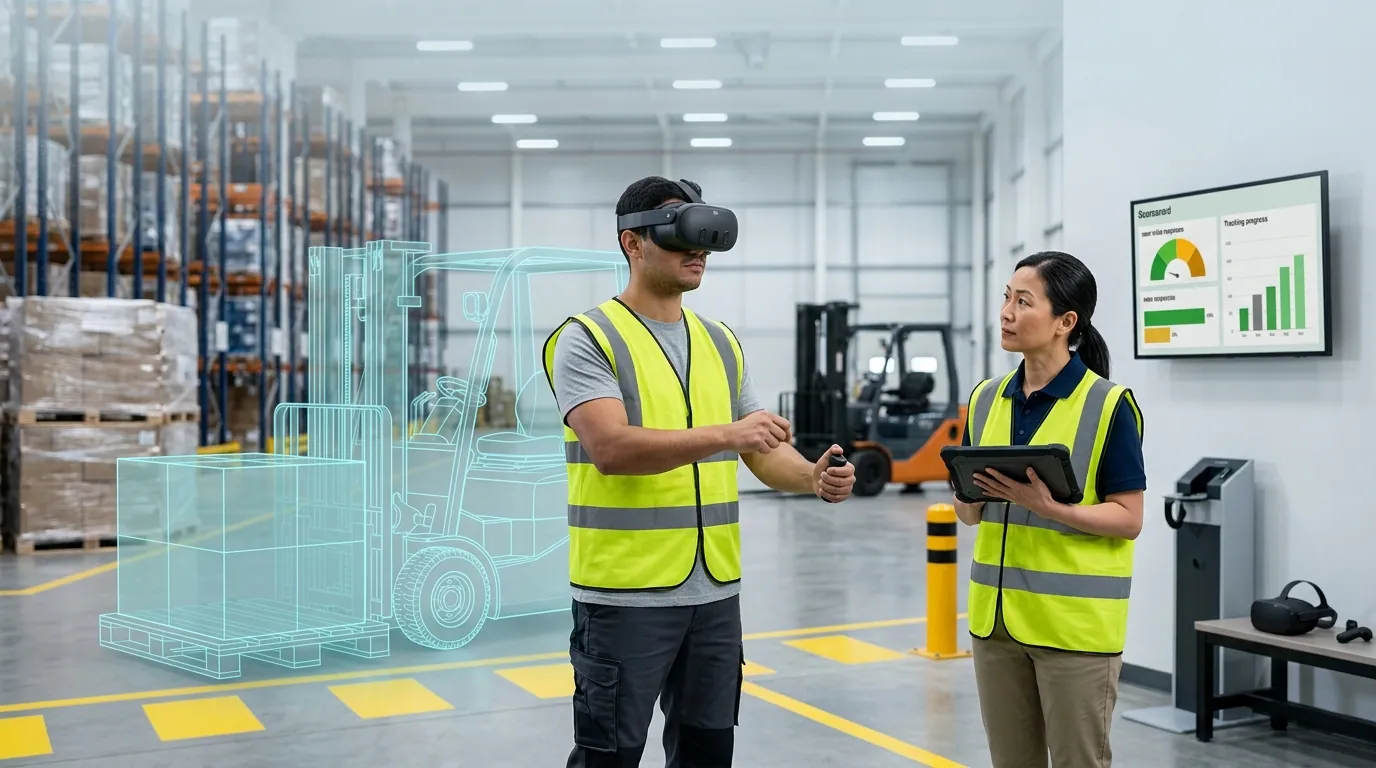
Warehouse safety is spatial judgment, and judgment cannot be learned from a video. See how VR simulation trains forklift, racking, and dock safety, including near-miss scenarios too dangerous to stage live.
READ ARTICLE → Most manufacturing safety programs document compliance but never lower injury rates. See what separates a compliance program from one that reduces incidents, and where VR simulation provides the missing practice layer.
READ ARTICLE →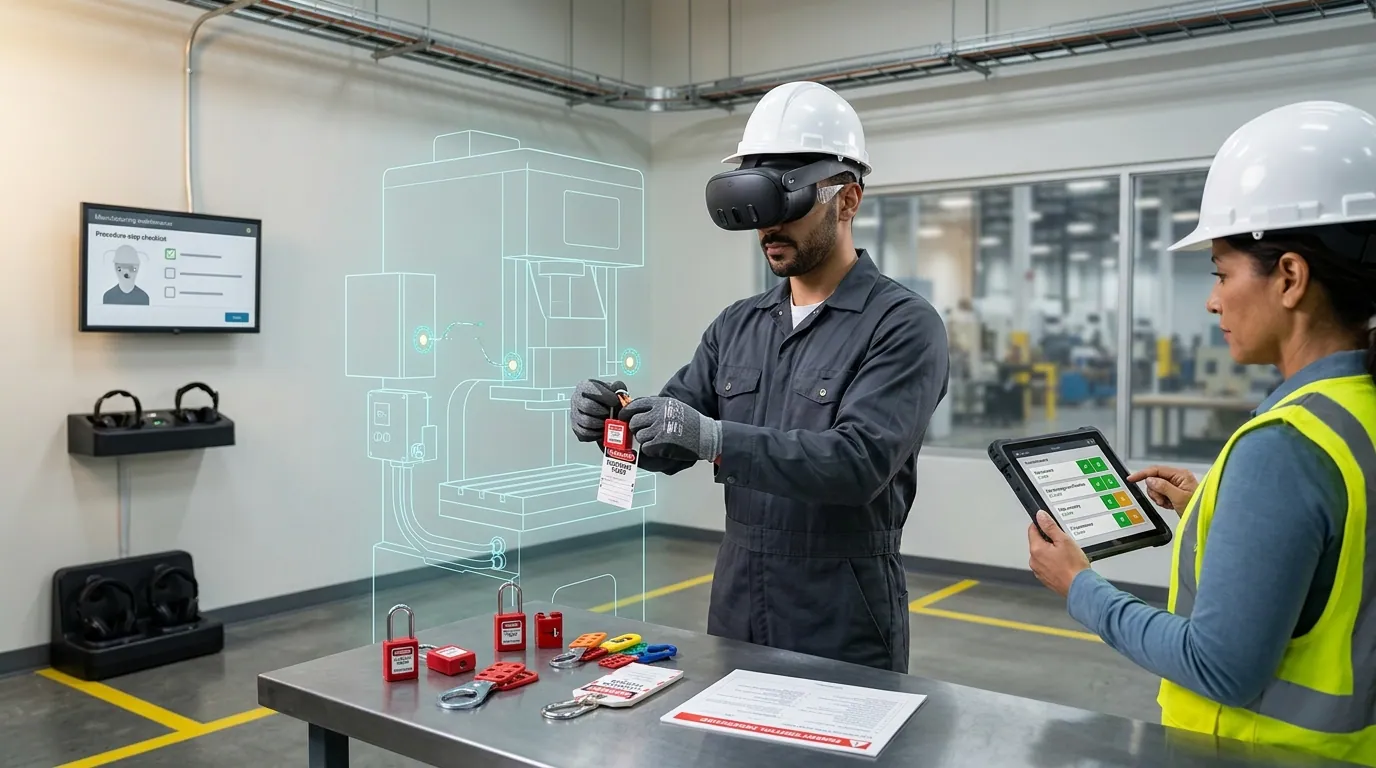
A lockout/tagout sequence has 12 to 18 machine-specific steps where one missed isolation can be fatal. See how VR lets employees practice the full energy-isolation sequence on replicas of real machines, with OSHA 1910.147 documentation.
READ ARTICLE →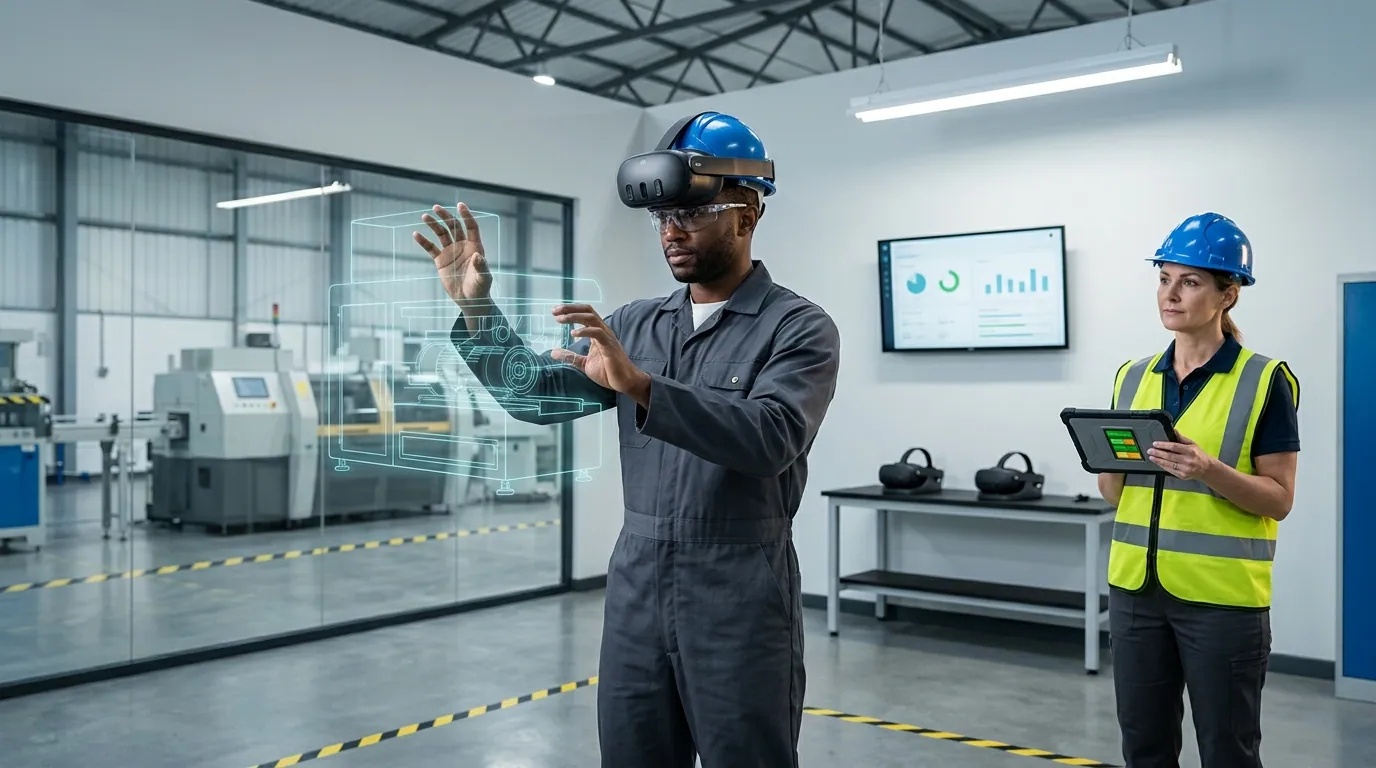
Manufacturing accounts for 15% of U.S. workplace fatalities. VR training builds procedural memory for lockout/tagout, machine changeover, and hazard recognition before workers touch real equipment.
READ ARTICLE →WE BUILD THIS IN VR — THE PRIME VR
Bring us your existing manufacturing & operations program and we build it into immersive VR, so your team practices the real task and every attempt is scored and logged.
Book a discovery call