
CDL Passenger Endorsement: Carrying People Safely
Carrying passengers changes the job. The margin for error shrinks when the cargo is people, which is why the passenger endorsement adds its own knowledge and skills.
QUICK ANSWER
The CDL passenger (P) endorsement is required to drive vehicles designed to carry a set number of passengers. It covers pre-trip and post-trip passenger safety inspections, safe loading and unloading, emergency evacuation procedures, and defensive driving specific to a loaded passenger vehicle. It requires a knowledge test and a skills test in a representative vehicle.
What the P Endorsement Covers
The passenger endorsement adds knowledge and a skills test focused on passenger safety: inspecting the seating and emergency exits, managing loading and unloading, and handling the different braking and handling of a loaded bus or coach.
Emergency and Evacuation
- Evacuation planning: knowing when and how to evacuate a vehicle safely.
- Loading and unloading: managing passengers at stops without exposure to traffic.
- Post-trip sweep: checking the vehicle for sleeping or left passengers.
A Distinct Endorsement
The P endorsement sits alongside the school bus endorsement and general CDL training.
WE BUILD THIS IN VR — THE PRIME VR
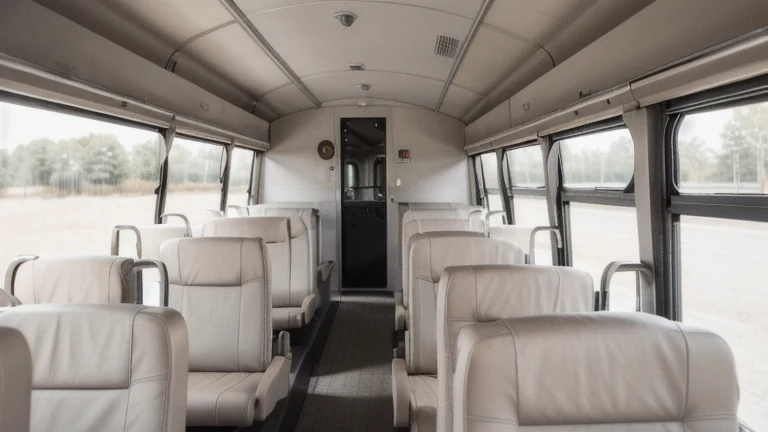
We build passenger operations into VR so drivers practice safety inspections, loading management, and evacuation decisions on a realistic coach. The scenario rehearses the emergencies that a live passenger vehicle cannot safely stage.
Book a discovery callThe Knowledge and Skills Tests
The P endorsement requires a knowledge test and a skills test in a passenger vehicle. The knowledge test covers topics such as loading, emergency exits and handling of standing passengers. Skills testing includes the pre-trip inspection and a driving portion in a representative vehicle.
Practicing the pre-trip items in order helps candidates avoid automatic failure for missing required items.
Passenger Safety and Behavior
Drivers of passenger vehicles are responsible for the safety of everyone aboard. This includes managing disruptive passengers, securing aisles and exits and knowing emergency procedures. Smooth braking and turning protect standing passengers and those with mobility limits.
Special rules apply to accessibility equipment, so drivers should know how to operate any lifts.
Staying Qualified
A medical card and clean driving record are needed. Some employers also require background checks and additional training. Keeping records organized simplifies renewals.
Refresher training helps drivers maintain skills between endorsement renewals.
Customer Service on Board
Passenger drivers manage safety and courtesy. Clear announcements and calm handling help.
Follow company policies.
Emergency Preparation
Know how to evacuate, use equipment and communicate with responders. Practice.
Review procedures often.
What the Endorsement Covers
The passenger endorsement authorizes a commercial driver to operate vehicles designed to carry more than a defined number of passengers.
It applies to transit buses, motorcoaches, school transportation, shuttles and charter operations, each with different operating environments and additional requirements.
Requirements are set by the licensing jurisdiction, and applicants should confirm current details with the relevant state agency rather than relying on general description.
Obtaining It
The endorsement requires a knowledge test and a skills test conducted in a vehicle representative of the class the driver intends to operate.
Restrictions apply if the test vehicle does not match the configuration of vehicles the driver will use, and those restrictions carry real employment consequences.
Entry level driver training requirements apply in many jurisdictions before testing, and the requirements should be verified with the licensing agency.
The Inspection Difference
Passenger vehicle inspection includes items absent from freight vehicle inspection, including emergency exits, passenger seating, entry doors, lighting and accessibility equipment.
Emergency equipment and the condition of exits are examined closely because they determine survivability in an incident rather than only roadworthiness.
Candidates preparing on a freight vehicle routinely underestimate this portion, and it is a common cause of failure.
Operating With Passengers
Passenger comfort and safety change the driving task, because acceleration, braking and cornering that are acceptable with freight injure standing passengers.
Loading and unloading is where many passenger incidents occur, including passengers struck by the vehicle and falls at the door.
Railway crossings carry specific requirements for passenger vehicles, including stopping and opening the door in defined circumstances.
Managing People
Drivers manage passenger behavior, disputes, intoxication, medical events and occasionally hostility, frequently alone and while operating the vehicle.
Accessibility equipment operation and assisting passengers with mobility devices is a defined skill with its own procedures and its own injury risk.
Emergency evacuation planning is the driver responsibility, and it has to be understood before it is needed rather than worked out during an incident.
Maintaining Competence
Additional requirements apply to school transportation, and a separate endorsement is generally required for that work.
Simulation allows practice of emergency evacuation, adverse conditions and passenger incidents that cannot safely be rehearsed in service.
Employer procedures, hours of service rules, medical certification and applicable regulations govern operation, and drivers should confirm current requirements for their sector.
Common Mistakes and How to Avoid Them
Frequent errors include preparing the inspection on a freight vehicle, driving in a manner that is safe for cargo and unsafe for standing passengers, rushing loading and unloading and neglecting railway crossing procedure.
Supervisors can help by making it acceptable to pause and ask. A culture where questions are treated as competence rather than weakness produces fewer errors in passenger transport.
How Employers Evaluate Readiness
Employers assess passenger drivers on safety record, passenger complaints, on time performance, inspection thoroughness and handling of incidents and accessibility needs.
Keeping Skills Current
Regulations, endorsement requirements and vehicle equipment change. Confirming current requirements with the licensing agency and employer prevents operating to a rule that has been revised.
Planning and Preparation
Preparation includes confirming endorsement and training requirements, testing in a vehicle matching intended operation, learning the passenger specific inspection items and reviewing emergency and evacuation procedures.
Documentation That Holds Up
Inspection reports, incident documentation, training records and the driver qualification file are what an employer and regulator examine after any event involving passengers.
Frequently Asked Questions
Who needs a CDL passenger endorsement? +
Drivers of vehicles designed to transport a set minimum number of passengers, such as transit buses, coaches, and shuttles. It requires both a knowledge test and a skills test in a representative vehicle.
What does the passenger endorsement test cover? +
Passenger safety inspections, safe loading and unloading, emergency and evacuation procedures, and the handling differences of a loaded passenger vehicle.
Is a post-trip passenger sweep required? +
Yes. Passenger vehicle drivers must inspect the vehicle after each trip to ensure no passenger is left behind, which is a core safety habit for the endorsement.
Do I need a P endorsement to drive a small shuttle? +
It depends on vehicle capacity and state rules. Vehicles designed to carry 16 or more people including the driver generally require the endorsement.
Is there a separate test for school buses? +
Yes, driving a school bus requires the S endorsement in addition to the passenger endorsement in most cases.
Train passenger drivers for safety
We build passenger operations into scored VR practice.