
Excavation VR Training for Australian Construction (Model Code of Practice: Excavation Work)
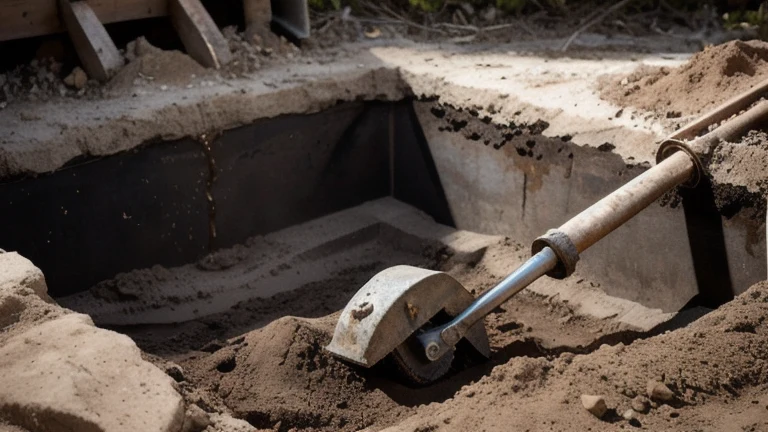
VR excavation scenario on the Safe Work Australia model Code: locating services, trenches deeper than 1.5 metres as high risk work, shoring and keeping plant back.
QUICK ANSWER
The Safe Work Australia model Code of Practice for excavation work covers locating underground services before digging, controlling collapse with benching, battering or shoring, and keeping plant and spoil back from the edge. Work in a trench deeper than 1.5 metres is high risk construction work that needs a safe work method statement.
What the Rule Requires
Model Code of Practice: Excavation work (Safe Work Australia): the model WHS Regulations require a PCBU to manage risks from excavation work, including finding underground essential services before work starts and preventing collapse through benching, battering or shoring. Construction work involving a trench or shaft with an excavated depth greater than 1.5 metres is high risk construction work that needs a SWMS.
The scenario is a stormwater upgrade in an Adelaide suburb. The trench is about 2 metres deep in sandy soil, the shoring arrives late, an excavator works close to the edge and the service plans do not match the marks on the ground.
Hazards in This Scenario
- Trench collapse in sandy soil
- Striking underground services
- Plant and spoil near the edge
- Working in the trench before shoring
The Procedure the Scenario Rehearses
- Check service plans against field marks
- Pothole near services before machine digging
- Install shoring, benching or battering before entry
- Keep plant and spoil back from the edge
- Follow the SWMS for trenches over 1.5 metres
- Provide safe access and egress
Mistakes the Scenario Is Built to Catch
- Entering before shoring
- Trusting old service plans
- Excavator tracking along the edge
- Spoil heaped at the lip
Competence Assessment Matrix
| Decision point | What the assessor sees | Pass standard |
|---|---|---|
| Services | Plans vs marks | Mismatch found |
| Support | Shoring or batter | Before entry |
| Edge | Plant and spoil | Kept back |
| SWMS | Trench over 1.5 m | Followed |
What VR Covers
- Soil and edge loading made visible
- Service mismatches that must be caught
- Collapse risk with no burial
- Records per worker
What VR Does Not Replace
- Before You Dig Australia enquiries
- A competent person on site
- Engineered shoring where needed
Scope of a One-Scenario Pilot
A pilot builds this scenario as a single module, in Unity or Unreal Engine depending on the visual fidelity the task needs and the headsets on site. It runs on standalone headsets, logs every learner decision, and exports a per-person record for your training file. It is measured against your current method with a test cohort before anything is scaled.
Frequently Asked Questions
When is a trench high risk construction work?
When the excavated depth is greater than 1.5 metres under the model WHS Regulations.
What must be done before digging?
Underground essential services must be located before work starts.
Can VR replace on-site supervision?
No. It prepares workers to recognise risks the supervisor must manage.
Want this scenario built around your site?
We review your current procedure and tell you which parts can be rehearsed in VR and which still need hands-on practice.
Map Your Highest-Risk ScenarioFurther reading
- Falls Prevention VR Training for Australian Construction (Model Code: Managing the Risk of Falls)
- Hazardous Manual Tasks VR Training for Australian Workplaces (Model Code of Practice)
- Electrical Risk VR Training for Australian Workplaces (Model Code: Managing Electrical Risks in the Workplace)
- Trenching and excavation safety guide
- All VR training scenarios: Australia
- VR pilot readiness checklist
- How VR training programs are priced