
Trench and Excavation VR Training for Ontario Construction (O. Reg. 213/91, Part III)
VR trench scenario on Part III of O. Reg. 213/91: soil types 1 to 4, locating services before digging, support systems and keeping spoil and machines back.
QUICK ANSWER
Part III of Ontario's Construction Projects regulation classifies soil into Types 1 to 4, requires gas, electrical and other services to be located and marked before an excavation begins, and requires excavation walls to be supported or sloped. A VR trench lets crews practise reading soil and support before stepping in.
What the Rule Requires
O. Reg. 213/91 Construction Projects, Part III Excavations: section 226 classifies soil as Type 1, 2, 3 or 4 for the purposes of Part III. Section 228 requires that before an excavation is begun, gas, electrical and other services in and near the area are accurately located and marked, and where needed shut off and disconnected. Section 234 and the sections that follow set out when and how excavation walls must be supported by a support system such as a trench box or shoring.
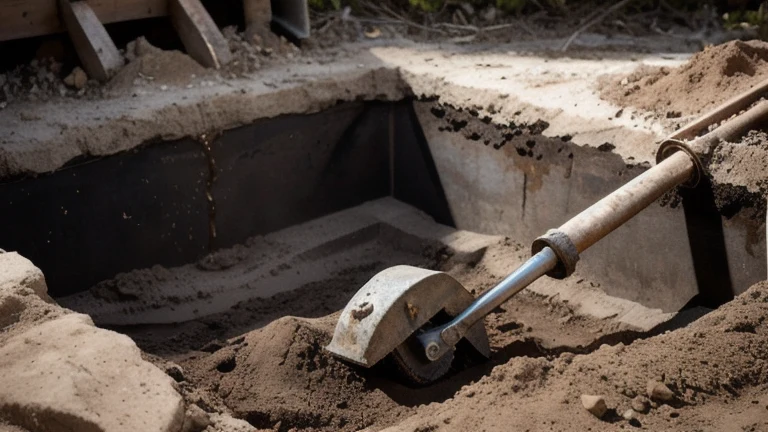
The scenario is a watermain replacement on a residential street in Ottawa. The trench is open to just above head height, the soil looks firm but water is seeping from one wall, the spoil pile sits at the edge and a locate for a gas line has a missing paint mark.
Hazards in This Scenario
- Wall collapse and burial
- Striking an unmarked gas line
- Spoil and equipment loading the edge
- Water weakening the soil
The Procedure the Scenario Rehearses
- Confirm locates are complete and marked
- Classify the soil type for this trench
- Install the support system before entry
- Keep spoil and machines back from the edge
- Provide a ladder within reach
- Reassess after rain or seepage
Mistakes the Scenario Is Built to Catch
- Entering before the box is placed
- Assuming firm-looking soil is Type 1
- Digging past a missing locate mark
- Spoil piled at the lip
Competence Assessment Matrix
| Decision point | What the assessor sees | Pass standard |
|---|---|---|
| Locates | Service marks checked | Complete before digging |
| Soil | Type classified | Matches conditions |
| Support | System in place | Before entry |
| Edge | Spoil and machines | Kept back |
What VR Covers
- Soil and water changes made visible
- Collapse risk without burial risk
- Locate errors that must be caught
- Records of each decision per worker
What VR Does Not Replace
- A competent person on site
- Engineered support design where needed
- Ontario One Call locates
Scope of a One-Scenario Pilot
A pilot builds this scenario as a single module, in Unity or Unreal Engine depending on the visual fidelity the task needs and the headsets on site. It runs on standalone headsets, logs every learner decision, and exports a per-person record for your training file. It is measured against your current method with a test cohort before anything is scaled.
Frequently Asked Questions
How does Ontario classify soil?
Section 226 of O. Reg. 213/91 classifies soil as Type 1, 2, 3 or 4, which drives the support or sloping required.
What must happen before digging?
Section 228 requires gas, electrical and other services to be located and marked before an excavation begins.
Can VR replace a competent person?
No. It prepares workers to recognise problems the competent person must address.
Want this scenario built around your site?
We review your current procedure and tell you which parts can be rehearsed in VR and which still need hands-on practice.
Map Your Highest-Risk ScenarioFurther reading
- Working at Heights VR Training for Ontario Construction Projects (O. Reg. 213/91 and O. Reg. 297/13)
- Heat Stress VR Training for BC Construction and Wildfire-Season Crews (WorkSafeBC Part 7)
- Trenching and excavation safety guide
- Heavy equipment operator safety
- All VR training scenarios: Canada
- VR pilot readiness checklist
- How VR training programs are priced