
Walking-Working Surfaces Safety: Preventing Slips, Trips, and Falls
Slips, trips, and falls are among the most common workplace injuries, and almost all are preventable. The hazard hides in plain sight on every floor and stairway.
QUICK ANSWER
Walking-working surfaces safety, covered by OSHA 1910 Subpart D, addresses slip, trip, and fall hazards on floors, stairways, ladders, and elevated surfaces through housekeeping, hazard identification, proper stair and guardrail standards, and prompt correction. Because these hazards are ordinary and everywhere, awareness and quick correction are the main defenses.
The Ordinary Hazard
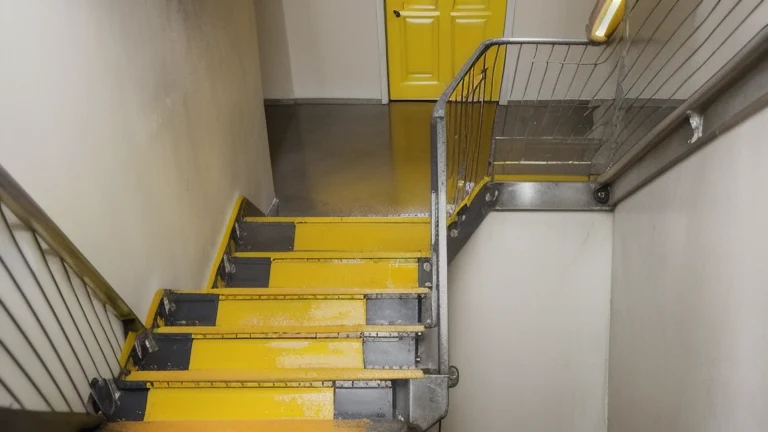
Slips, trips, and falls do not look dangerous, which is exactly why they cause so many injuries. A spill, a trailing cord, a missing handrail, or clutter on a stair is easy to walk past until someone goes down. Training builds the habit of seeing and correcting them.
The Controls
- Housekeeping: spills, clutter, and cords addressed immediately.
- Stairs and guardrails: maintained to standard, with handrails used.
- Hazard spotting: the habit of noticing and correcting ordinary hazards.
A Habit-Forming Skill
Hazard awareness is built by practice, which is why immersive training complements VR safety training and ladder safety.
WE BUILD THIS IN VR — THE PRIME VR
We build hazard spotting into VR so workers practice identifying slip, trip, and fall hazards across a realistic worksite and correcting them. The scenario trains the eye to catch the ordinary hazards that cause most injuries.
Book a discovery callFrequently Asked Questions
What are walking-working surfaces? +
Any surface where employees walk or work, including floors, stairways, ladders, ramps, and elevated platforms. OSHA 1910 Subpart D sets the standards for keeping them safe from slip, trip, and fall hazards.
How do you prevent slips, trips, and falls? +
Through housekeeping that addresses spills, clutter, and cords immediately, maintaining stairs and guardrails to standard, and building the habit of spotting and correcting ordinary hazards before someone is injured.
How does VR help prevent falls? +
VR lets workers practice identifying and correcting slip, trip, and fall hazards across a realistic worksite, training the hazard-spotting habit that prevents the most common workplace injuries.
Train the eye that prevents falls
We build hazard-spotting into scored VR practice.