
Running Effective One-on-Ones: The Highest-Leverage Manager Habit
The one-on-one is the single highest-leverage thing a manager does, and most are wasted as status updates. Done right, it is where trust, growth, and retention happen.
QUICK ANSWER
Effective one-on-ones are the employee meeting, not the manager status update: consistent, employee-led on agenda, focused on obstacles, growth, and feedback both ways, and protected from cancellation. The failure mode is turning them into project check-ins, which wastes the trust and development the meeting is for.
It Is Their Meeting
The most common one-on-one mistake is making it a status update the manager runs. The best one-on-ones are led by the employee agenda: their obstacles, their growth, their feedback. Status can happen anywhere; trust and development happen here.
What Makes Them Work
- Consistent and protected: never the first meeting cancelled.
- Employee-led agenda: their topics first, not a project checklist.
- Two-way feedback: a space for the employee to coach up too.
A Practiced Habit
Great one-on-ones are built by reps, tied to VR roleplay practice and coaching skills.
WE BUILD THIS IN VR — THE PRIME VR
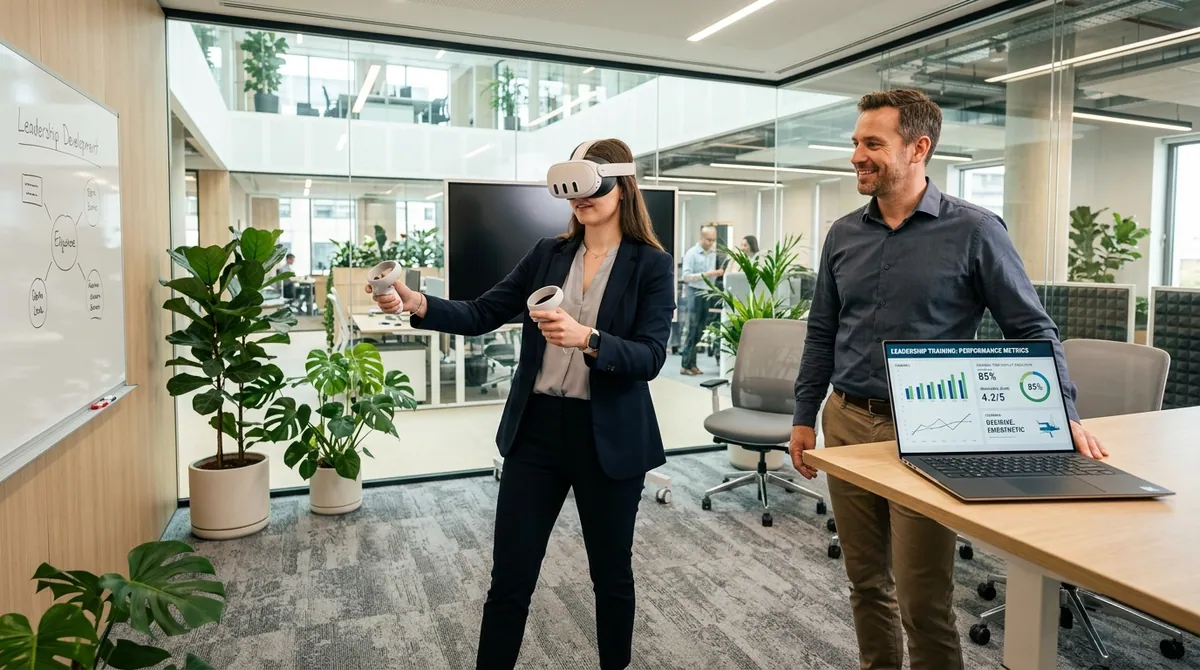
We build one-on-ones into VR so managers practice listening, coaching, and two-way feedback with a realistic virtual employee instead of running a status update. The scenario builds the habit that drives trust and retention.
Book a discovery callFrequently Asked Questions
What makes a one-on-one effective? +
Treating it as the employee meeting: consistent and protected from cancellation, led by the employee agenda, focused on obstacles and growth, with feedback flowing both ways. It is not a project status update.
Why are most one-on-ones ineffective? +
Because managers turn them into status updates they run, wasting the trust and development the meeting is meant for. Status can happen elsewhere; the one-on-one is for the person.
How does VR improve one-on-ones? +
VR lets managers rehearse listening, coaching, and receiving feedback with a realistic employee, building the habits that make one-on-ones a driver of trust and retention.
RELATED ARTICLES
Make one-on-ones count
We build one-on-one roleplay into scored VR simulations.