
Avionics Technician: Role, Skills, and Certification
Modern aircraft are flying networks of electronics, and avionics technicians keep those systems working. It is a precise, electronics-focused corner of aviation maintenance. Here is what the role involves.
QUICK ANSWER
An avionics technician installs, tests, troubleshoots, and repairs the electronic systems of aircraft, including navigation, communication, radar, and flight instruments. The role focuses on electronics and wiring rather than the airframe and engine, and often requires an FCC license plus specialized training or an A&P background. Precision and documentation are essential.
Avionics vs A&P
While an airframe and powerplant mechanic focuses on the structure and engines, an avionics technician specializes in the electronics: navigation, communication, radar, autopilot, and instrumentation. As aircraft grow more computerized, avionics expertise has become increasingly valuable.
Core Skills
- Electronics and wiring: reading schematics and tracing complex harnesses.
- Systems knowledge: navigation, comms, radar, and instruments.
- Testing and troubleshooting: using test equipment to find faults.
- Documentation: precise records for safety and compliance.
Precision, like all aviation
A wiring error in avionics can disable a critical system in flight. As with all aircraft maintenance, precision and documentation are non-negotiable.
Avionics is a specialized track alongside the broader aircraft mechanic (A&P) path, and shares the same regulatory rigor as Part 107 operations.
WE BUILD THIS IN VR — THE PRIME VR
We build avionics training into VR, so technicians trace harnesses, test systems, and troubleshoot faults on realistic aircraft electronics without tying up a real airframe. Immersive, scored scenarios build the precision the role demands.
Book a discovery callTroubleshooting Aircraft Systems
Avionics technicians diagnose communication, navigation and instrument problems using test equipment and manuals. Systematic troubleshooting avoids swapping parts without cause.
Follow approved maintenance data.
Documentation and Regulatory Compliance
Work must be documented, and returns to service must follow regulations. Records are a legal and safety requirement.
Use only approved parts and procedures.
Working With Sensitive Electronics
Static discharge and handling errors can damage components. Grounding and careful handling are essential. Software updates must be controlled.
Verify configuration before flight.
Test Equipment and Calibration
Avionics technicians use specialized test equipment that must be calibrated. Using out of tolerance equipment can lead to wrong conclusions.
Traceable records are essential.
Wiring and Connector Practices
Proper wire selection, routing and termination prevent failures. Follow approved data at all times.
Small mistakes can cause hard to find faults.
Continuing Education
Systems evolve quickly, so ongoing training is necessary. Manufacturer courses and regulatory updates keep skills current.
Documented training supports career growth.
What Avionics Technicians Do
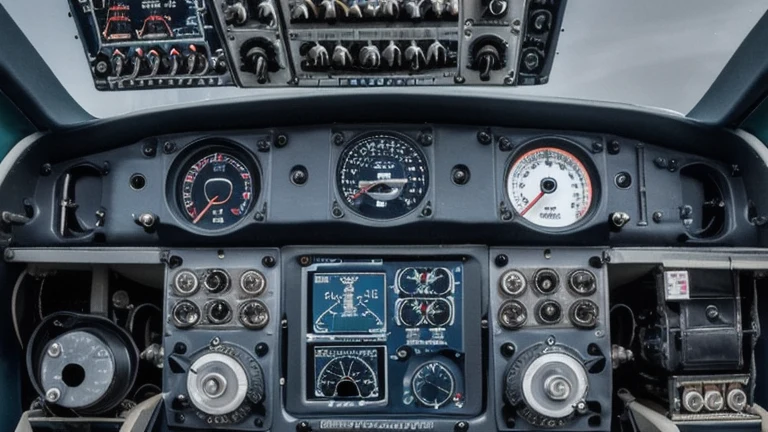
Avionics technicians install, inspect, troubleshoot and repair the electronic systems on aircraft, including communication, navigation, flight control, display and monitoring systems.
Modern aircraft are heavily dependent on these systems, and the role has grown as mechanical systems have been replaced by electronic and software driven equivalents.
Work environments include airlines, repair stations, manufacturers, corporate flight departments, military and general aviation, each with different regulatory frameworks.
Training and Certification
Entry paths include technical school programs, military training and employer apprenticeships, with formal programs generally lasting one to two years.
Certification requirements depend on the work performed and the regulatory authority involved, and some tasks require specific authorizations. Technicians should confirm current requirements with the applicable aviation authority.
Manufacturer specific training on particular aircraft types and systems is frequently required in addition to general credentials.
Technical Knowledge
Electrical and electronic fundamentals underpin everything, including circuit analysis, digital logic, radio frequency principles and data bus architectures.
Aircraft systems knowledge covers power generation and distribution, antennas, sensors, autopilot and flight management, and how those systems interact.
Reading wiring diagrams and schematics accurately is a core skill, and modern aircraft documentation is extensive and unforgiving of assumption.
Troubleshooting
Fault isolation on integrated systems requires systematic method, because a symptom in one system frequently originates in another.
Built in test equipment and maintenance computers provide useful information, but fault codes indicate where to look rather than what is wrong, and replacing parts on codes alone is expensive.
Intermittent faults are the recurring difficulty, and they demand disciplined documentation across occurrences rather than inspection of a system that is currently working.
Regulatory Discipline
Aviation maintenance is heavily regulated because the consequences of error are severe and frequently not recoverable in flight.
Work must be performed to approved data, using approved parts, with documentation that establishes traceability for every component installed.
Maintenance records are legal documents, and errors or omissions in them carry consequences for the technician and the operator regardless of whether the work itself was correct.
Building and Maintaining Skill
Competence develops through supervised work across many aircraft and fault types, because troubleshooting judgment cannot be taught from documentation alone.
Simulation and systems trainers let technicians practice fault isolation and procedures without occupying an aircraft or risking damage to expensive components.
Regulatory requirements, maintenance manuals, service bulletins and employer procedures govern all work, and technicians must use current revisions rather than remembered procedure.
Common Mistakes and How to Avoid Them
Recurring errors include replacing components based on fault codes without isolating the cause, working from an outdated manual revision, incomplete documentation of work performed and failing to verify part eligibility before installation.
Supervisors can help by making it acceptable to pause and ask. A culture where questions are treated as competence rather than weakness produces fewer errors in avionics maintenance.
How Employers Evaluate Readiness
Employers and regulators assess technicians through audit of maintenance records, repeat defect rates, adherence to approved data, certification status and findings during regulatory inspection.
Keeping Skills Current
Manuals, service bulletins and airworthiness directives are revised continually. Verifying the current revision before beginning a task prevents performing work to superseded instructions.
Planning and Preparation
Preparation includes obtaining the current approved data, confirming part eligibility and traceability, gathering calibrated test equipment, arranging aircraft power and safety precautions and confirming required authorizations.
Documentation That Holds Up
Maintenance records, part traceability documentation, test results and sign offs are legal records, and their accuracy is what establishes that an aircraft was returned to service airworthy.
Frequently Asked Questions
What is the difference between an avionics technician and an A&P mechanic? +
An A&P mechanic works on the airframe and engines, while an avionics technician specializes in electronic systems such as navigation, communication, radar, and instruments. Avionics is the electronics-focused track.
Do avionics technicians need an FCC license? +
Many avionics roles require an FCC license to work on transmitting equipment, along with specialized avionics training or an A&P background. Requirements vary by employer and the systems involved.
Why is avionics work in demand? +
Modern aircraft rely heavily on electronic systems, and that reliance keeps growing. Technicians who can install, test, and troubleshoot avionics are increasingly essential to keeping aircraft airworthy.
Do avionics technicians need an FAA certificate? +
Requirements depend on the work. Some tasks need certification, while others can be done under supervision. Check current FAA rules.
What tools do avionics technicians use? +
Multimeters, oscilloscopes, bus analyzers and specialized test sets for each system.
Train avionics without the airframe
We build avionics troubleshooting into immersive, scored VR practice.