
Excavation and Trenching VR Training for Abu Dhabi Construction Crews
Practise excavation and trenching decisions in Abu Dhabi with custom VR: spot changed conditions, stop unsafe work and verify controls.
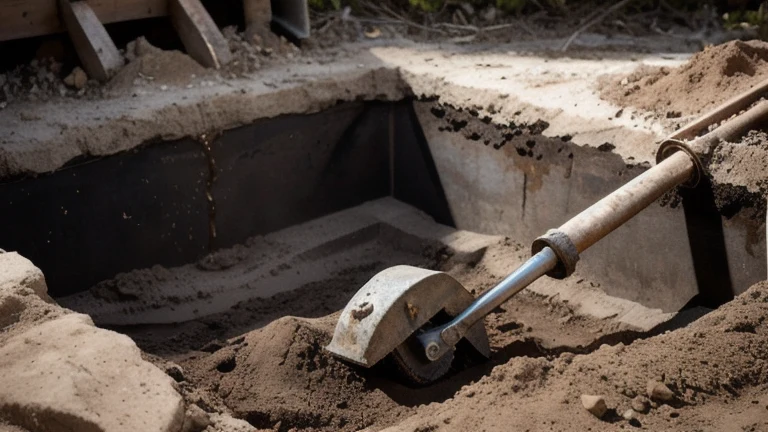
QUICK ANSWER
VR training for excavation and trenching lets a Abu Dhabi crew practise recognising a change, stopping exposure and requesting the right evidence. This custom scenario uses the residential utility corridor, where fresh spoil blocks the access ladder at a branch trench. The learner must examine the service information, protective system and safe access before deciding whether work can proceed. The Abu Dhabi residential utility corridor brief also asks how the crew responds when a water connection team waits to enter the same front.
What the Rule Requires
Abu Dhabi Occupational Safety and Health System Framework (OSHAD SF): Use this Abu Dhabi reference when reviewing the employer's procedure for excavation and trenching; the scenario is not a legal approval. At the residential utility corridor, map the decision to the service information, protective system and safe access against the applicable local framework and project rules. The employer must confirm current requirements with the regulator and the operator before rollout, including any updates affecting the excavation inspection after spoil movement.
The fictional scene is a residential utility corridor in Abu Dhabi. During the handover, fresh spoil blocks the access ladder at a branch trench. Meanwhile, a water connection team waits to enter the same front. The trainee must decide what stays stopped and what evidence is needed, then contact the groundworks supervisor managing entry.
What can go wrong with excavation and trenching at this Abu Dhabi site?
At the residential utility corridor, the first warning is that fresh spoil blocks the access ladder at a branch trench. That change matters because burial or service strike in an unverified excavation can follow before the next formal handover. The learner must compare the visible work face with the service information, protective system and safe access. A familiar route is not evidence. In this Abu Dhabi scene, a water connection team waits to enter the same front, so the exercise makes the cost of pausing feel real without exposing anyone. The discussion should connect fresh spoil placed against an unsupported trench edge to the approved work method, rather than reward a quick click on a highlighted object.
The difficult decision in excavation and trenching is often who can release the work after someone raises a concern. For this Abu Dhabi location, the groundworks supervisor managing entry needs a clear report of what changed and what remains uncertain. The learner should keep workers outside until a competent excavation review clears entry, then ask for the excavation inspection after spoil movement. Treat a verbal reassurance cautiously. The debrief can examine entering briefly because the trench looks unchanged and why that shortcut fails under delivery or handover pressure. At the residential utility corridor, an unfinished handover must remain visible to the following crew as well as the person who first noticed it.
How is the Abu Dhabi excavation and trenching scenario built and assessed?
The Prime VR builds the Abu Dhabi exercise around authorising access to an open utility trench, using the employer's approved procedure and a simplified view of the residential utility corridor. Include the moment when fresh spoil blocks the access ladder at a branch trench, rather than opening on a scene where every hazard is already labelled. Let learners inspect the service information, protective system and safe access before a colleague asks them to continue. Have the groundworks supervisor managing entry review the sequence for believable communication and a workable escalation route before the pilot cohort sees it.
Assessment for excavation and trenching should record the learner's reason for stopping as well as the selected action. In the residential utility corridor exercise, the assessor looks for verified services, accepted protection and usable access. Agree the critical errors first. A fast completion should not offset entering briefly because the trench looks unchanged, and a cautious question should not be scored as unnecessary delay. Keep the result separate from the physical assessment of service locating, protective system installation and site inspection, because a virtual choice cannot establish the ability to perform that work safely.
Who needs excavation and trenching practice in the UAE, and when should they repeat it?
Invite excavation supervisors, plant operators and utility crews to the Abu Dhabi pilot, but give each role the decisions it actually owns. Someone recognising fresh spoil placed against an unsupported trench edge may need to stop and report, while a supervisor must also obtain the excavation inspection after spoil movement. For the residential utility corridor, use language review and a short controller practice before scoring begins. The employer should arrange service locating, protective system installation and site inspection separately and observe transfer to the real work face. For the Abu Dhabi residential utility corridor, the review should resolve this question: who controls plant near the edge.
Refresher timing for the residential utility corridor belongs in the employer's training plan, informed by observed performance and the work programme. A useful review trigger is water entry, edge loading or a newly exposed service, especially where the next shift inherits a different layout. In Abu Dhabi, ask the groundworks supervisor managing entry to compare the scenario with current work before reusing it. Revisit the service information, protective system and safe access after a relevant near miss or procedure revision, and document the reason for the additional session. VR does not replace certification, permits or hands-on training for excavation and trenching.
How would a excavation and trenching pilot run at the residential utility corridor?
A one-scenario pilot for excavation and trenching starts with a scoping call about the residential utility corridor and the decision to keep workers outside until a competent excavation review clears entry. It is not a completed deployment. Supply the relevant method statement, anonymised layout and the acceptance criteria around the excavation inspection after spoil movement. For the Abu Dhabi residential utility corridor, the review should resolve this question: which trench section is represented. Ask the groundworks supervisor managing entry to explain how the excavation inspection after spoil movement relates to this Abu Dhabi decision.
At the residential utility corridor, follow the virtual stop with a discussion of ground classification, excavation design and utility verification. Ask the groundworks supervisor managing entry which cues were realistic and which created confusion. Review whether participants can identify the excavation inspection after spoil movement during an appropriate supervised site check. The result should be a clearer training decision about authorising access to an open utility trench, rather than a promise of measured incident reduction. For the Abu Dhabi residential utility corridor, the review should resolve this question: how access is verified without entry.
Hazards in This Scenario
- Unsupported trench collapse
- Plant loading the edge
- Unknown buried services
- Blocked escape routes
The Procedure the Scenario Rehearses
- Review excavation authority and services
- Verify the protective arrangement
- Control spoil and plant loading
- Check safe access
- Report water or ground movement
- Reinspect after relevant changes
Mistakes the Scenario Is Built to Catch
- Entering before protection is accepted
- Trusting drawings without verification
- Working below unstable spoil
- Ignoring water at the trench base
Competence Assessment Matrix
| Decision point | What the assessor sees | Pass standard |
|---|---|---|
| Services | Unidentified exposed line | Stop and obtain verification |
| Edge | Spoil encroaches on setback | Require correction before entry |
| Protection | Unsupported working area | Keep personnel out |
| Change | Water begins entering | Withdraw and seek competent reassessment |
What VR Covers
- Changed-condition rehearsal at the residential utility corridor
- Inspection choices involving the service information, protective system and safe access
- Reporting practice with the groundworks supervisor managing entry
- Feedback linked to the excavation inspection after spoil movement
What VR Does Not Replace
- Practical instruction in service locating, protective system installation and site inspection
- Competent decisions about ground classification, excavation design and utility verification
- Real permits, certification and work authorisation for the residential utility corridor
Scope of a One-Scenario Pilot
A pilot builds this scenario as a single module, in Unity or Unreal Engine depending on the visual fidelity the task needs and the headsets on site. It runs on standalone headsets, logs every learner decision, and exports a per-person record for your training file. It is measured against your current method with a test cohort before anything is scaled.
Frequently Asked Questions
What is the first decision in Abu Dhabi excavation and trenching training?
Start with the change that fresh spoil blocks the access ladder at a branch trench, rather than an assumed failure by the crew. At the residential utility corridor, the trainee should examine the service information, protective system and safe access and explain the safe next step.
What practical work stays outside the Abu Dhabi excavation and trenching module?
The practical boundary at the residential utility corridor includes service locating, protective system installation and site inspection. Ask the groundworks supervisor managing entry to identify the evidence needed outside VR, including the real inspection or approval represented by the excavation inspection after spoil movement.
Which inputs are useful when scoping Abu Dhabi excavation and trenching?
For the residential utility corridor, provide the approved method and an anonymised layout showing the changed condition. The reviewer should identify the excavation inspection after spoil movement and the role that accepts it. Include the operational pressure that a water connection team waits to enter the same front, so the mockup tests a believable decision rather than a choice with an obviously labelled answer.
What could trigger a refresher for Abu Dhabi excavation and trenching?
Treat water entry, edge loading or a newly exposed service as a possible reason to revisit this Abu Dhabi lesson, then let the employer decide the timing. At the residential utility corridor, an observed misunderstanding or a revised method may justify focused practice sooner.
How is language understanding checked for Abu Dhabi excavation and trenching?
Language planning for the residential utility corridor should test whether learners understand the instruction to keep workers outside until a competent excavation review clears entry. Have the groundworks supervisor managing entry check that translated role names and reporting terms still point to the right person on the real project.
What does the 48-hour mockup offer mean for Abu Dhabi excavation and trenching?
The Prime VR offers a mockup for the residential utility corridor scenario within 48 hours after a scoping call. Agree the final scope separately, including how the excavation inspection after spoil movement is represented and who approves the finished training before rollout.
Running this scenario across several sites or contractors?
We review your current procedure and tell you which parts can be rehearsed in VR and which still need hands-on practice.
Plan a Multi-Site PilotFurther reading
- Heat Stress VR Training for UAE Construction Sites: Midday Break, Hydration and Early Signs
- Work at Height VR Training for Dubai High-Rise Construction (Decree No. 19 of 2025)
- Scaffold Inspection VR Training for UAE Contractors: Tags, Ties and Daily Checks
- Tower Crane Lifting VR Training for Dubai Sites: Rigging, Wind Limits and Exclusion Zones
- Excavation and Trenching
- Construction safety training programs
- All VR training scenarios: United Arab Emirates
- VR pilot readiness checklist
- How VR training programs are priced