
Trenching and Excavation VR Training: Protective Systems, Egress and Inspections (OSHA 1926 Subpart P)
VR trenching scenario on OSHA 1926.651 and 1926.652: protective systems at 5 feet, soil types, egress within 25 feet, spoil setback and the daily competent person inspection.
QUICK ANSWER
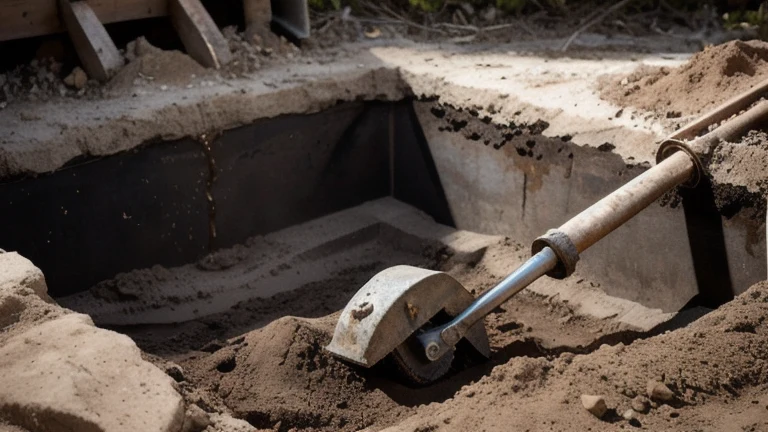
OSHA requires a protective system in any trench 5 feet or deeper unless it is in stable rock, a means of egress within 25 feet of lateral travel in trenches 4 feet or deeper, and a competent person inspection each day before work. In VR a learner can stand in a trench, read soil and spoil conditions and decide whether entry is allowed, with no cave-in risk.
What the Rule Requires
29 CFR 1926.652, Requirements for protective systems: each employee in an excavation must be protected from cave-ins by an adequate protective system: sloping or benching, shoring, or shielding, unless the excavation is made entirely in stable rock or is less than 5 feet deep and a competent person finds no indication of a potential cave-in. Excavations deeper than 20 feet need a protective system designed by a registered professional engineer.
Section 1926.651 adds the details the scenario relies on: spoil and equipment at least 2 feet back from the edge, ladders or ramps within 25 feet of lateral travel in trenches 4 feet or deeper, atmospheric testing where hazardous atmospheres could exist, and daily inspection by a competent person. Soil classification from Appendix A (Type A, B or C) drives the maximum allowable slope.
Hazards in This Scenario
- Cave-in from unsupported walls, vibration or water
- Spoil piles and equipment surcharging the trench edge
- Hazardous atmosphere in deeper excavations near landfills or utilities
- Struck-by hazards from equipment working at the edge
The Procedure the Scenario Rehearses
- Check the competent person inspection for today and any changes since
- Look at soil type, fissures, water and vibration sources
- Confirm the protective system matches depth and soil type
- Confirm spoil and equipment are at least 2 feet from the edge
- Locate the ladder or ramp within 25 feet of the work
- Enter only inside the protected zone
Mistakes the Scenario Is Built to Catch
- Entering a 6-foot trench because it looks stable
- Working outside the trench box ends
- Using a ladder that does not extend 3 feet above the edge
- Ignoring water collecting at the bottom after rain
Competence Assessment Matrix
| Decision point | What the assessor sees | Pass standard |
|---|---|---|
| Depth and soil check | Whether depth and soil type are identified | Correct protective requirement stated |
| Edge conditions | Spoil and equipment setback | Violations found and corrected |
| Egress | Distance to the nearest ladder or ramp | Within 25 feet of lateral travel |
| Entry decision | Final decision to enter | No entry until all conditions are met |
What VR Covers
- Standing inside a trench and seeing a cave-in safely
- Reading soil and surface cues in a realistic excavation
- Decision practice on enter or do not enter
- Records showing each learner's inspection results
What VR Does Not Replace
- Competent person designation and daily field inspection
- Hands-on soil testing such as thumb penetration or pocket penetrometer
- Installing and moving actual trench boxes and shoring
Scope of a One-Scenario Pilot
A pilot builds this scenario as a single module, in Unity or Unreal Engine depending on the visual fidelity the task needs and the headsets on site. It runs on standalone headsets, logs every learner decision, and exports a per-person record for your training file. It is measured against your current method with a test cohort before anything is scaled.
Frequently Asked Questions
At what depth is trench protection required?
At 5 feet or deeper, unless the excavation is entirely in stable rock. Shallower trenches can also need protection if a competent person sees a cave-in risk.
How often must a trench be inspected?
Daily before work starts, as needed during the shift, and after rainstorms or other events that increase hazards, by a competent person.
Can VR train the competent person?
VR supports competent person training with realistic recognition practice, but the role also needs classroom knowledge and field experience.
Want this scenario built around your site?
We review your current procedure and tell you which parts can be rehearsed in VR and which still need hands-on practice.
Map Your Highest-Risk ScenarioFurther reading
- Fall Protection VR Training for Construction Crews (OSHA 1926 Subpart M)
- Scaffold Safety VR Training: Inspection, Access and Fall Protection
- Ladder Safety VR Training for Construction Sites (OSHA 1926.1053 and 1926.1060)
- Aerial Lift VR Training: Boom Lift Inspection, Tie-Off and Travel
- Trenching and excavation safety guide
- All VR training scenarios: United States
- VR pilot readiness checklist
- How VR training programs are priced