
Pool and Spa Chemical VR Training for Hotel Leisure Staff (COSHH 2002 and HSG282)
VR pool plant room scenario on COSHH 2002 and HSE HSG282: separate storage of hypochlorite and acid, checking deliveries at the fill point, PPE and response to a chlorine gas release.
QUICK ANSWER
COSHH 2002 requires employers to assess and control exposure to hazardous substances and to train the people who handle them. In a hotel pool plant room the classic incident is a delivery of acid into a hypochlorite tank, which releases chlorine gas within seconds. A VR plant room lets leisure staff rehearse the delivery check and the evacuation without any chemical present.
What the Rule Requires
COSHH 2002, with HSE guidance HSG282 on health and safety in swimming pools: employers must assess the risks from hazardous substances (regulation 6), prevent or adequately control exposure (regulation 7), maintain control measures (regulation 9) and provide information, instruction and training (regulation 12). HSE guidance HSG282 describes safe storage and handling of pool chemicals, including keeping hypochlorite and acid apart and supervising deliveries.
The scenario is a hotel leisure club with a 15-metre pool and a spa bath. A tanker driver arrives early and wants to connect to the nearest fill point, the fill points are not clearly labelled, the acid and hypochlorite drums share a bund, the goggles hook is empty and the duty attendant is also covering reception.
Hazards in This Scenario
- Chlorine gas from hypochlorite meeting acid
- Skin and eye burns from concentrated chemicals
- Deliveries connected to the wrong tank
- Plant rooms without ventilation or a clear exit
The Procedure the Scenario Rehearses
- Store hypochlorite and acid in separate bunded areas
- Label fill points clearly and keep them locked
- Meet every delivery and check the product against the fill point
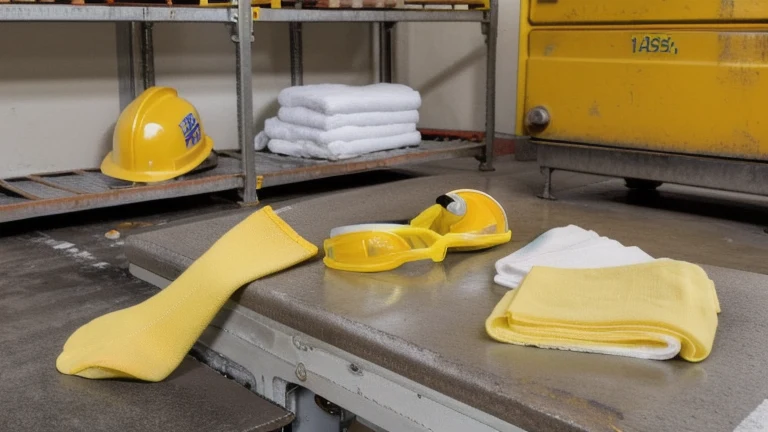
- Wear goggles, gloves and apron before handling
- Follow the written dosing procedure
- If you smell chlorine, leave, raise the alarm and keep people out
Mistakes the Scenario Is Built to Catch
- Letting the driver connect without a check
- Sharing one bund for incompatible chemicals
- Handling drums without eye protection
- Going back into the plant room to stop the release
Competence Assessment Matrix
| Decision point | What the assessor sees | Pass standard |
|---|---|---|
| Storage | Hypochlorite and acid separation | Separate bunds |
| Delivery | Product checked against fill point | Checked before connection |
| PPE | Eye and skin protection | Worn before handling |
| Release | Response to a chlorine smell | Leaves, alarms, keeps people out |
What VR Covers
- A gas release shown without exposure
- Fill point checks under time pressure
- Evacuation of pool users rehearsed
- Records per attendant
What VR Does Not Replace
- Plant room design and ventilation
- Recognised pool plant operator qualifications
- The emergency services and your site emergency plan
Scope of a One-Scenario Pilot
A pilot builds this scenario as a single module, in Unity or Unreal Engine depending on the visual fidelity the task needs and the headsets on site. It runs on standalone headsets, logs every learner decision, and exports a per-person record for your training file. It is measured against your current method with a test cohort before anything is scaled.
Frequently Asked Questions
Why is mixing pool chemicals dangerous?
Hypochlorite and acid react to release chlorine gas, which can cause serious lung injury.
Who should take this scenario?
Leisure attendants, duty managers, maintenance staff and anyone who accepts chemical deliveries.
Does this replace a pool plant operator course?
No. It rehearses the procedures that the course and your site documents set out.
Want this scenario built around your site?
We review your current procedure and tell you which parts can be rehearsed in VR and which still need hands-on practice.
Map Your Highest-Risk ScenarioFurther reading
- Hotel Fire Evacuation VR Training (Regulatory Reform (Fire Safety) Order 2005)
- Kitchen Slips and Trips VR Training (Workplace Regulations 1992, Regulation 12)
- Food Hygiene VR Training for UK Food Handlers (Regulation 852/2004, Annex II, Chapter XII)
- Allergen VR Training for Restaurant and Hotel Staff (Food Information Regulations 2014)
- Chemical spill response guide
- All VR training scenarios: United Kingdom
- VR pilot readiness checklist
- How VR training programs are priced