
Lifting Operations VR Training: Lift Plans, Slinging and Signalling (LOLER 1998, Regulation 8)
VR lifting operation scenario on LOLER 1998: planning by a competent person, slinger and signaller duties, accessory checks and stopping a lift that changes.
QUICK ANSWER
Regulation 8 of LOLER 1998 requires every lifting operation to be properly planned by a competent person, appropriately supervised and carried out safely. On a crane lift that means a lift plan, a trained slinger and signaller and checked accessories. A VR scenario walks the team through a lift that goes wrong in the middle.
What the Rule Requires
LOLER 1998, regulations 8 and 9: every lifting operation involving lifting equipment must be properly planned by a competent person, appropriately supervised and carried out in a safe manner. Lifting accessories must be thoroughly examined at least every 6 months, and lifting equipment must not be used unless the last examination report is available.
The scenario is a mobile crane lifting precast stair units into a block of flats. The plan assumes a 4-leg chain sling, but the delivered units have a different lifting point layout, one chain has an out-of-date tag and the wind picks up during the second lift.
Hazards in This Scenario
- Dropped loads from wrong or damaged accessories
- Loads swinging into people or structures
- Lifts continuing when conditions change
- Unclear signals
The Procedure the Scenario Rehearses
- Read the lift plan and confirm it matches the actual load
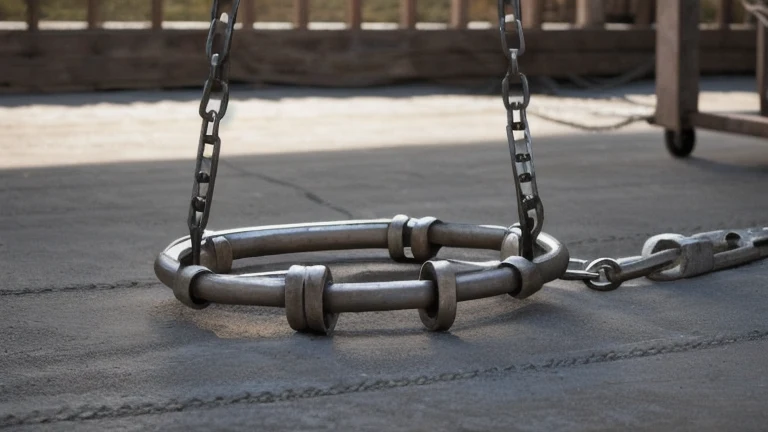
- Check accessories for tags, examination and damage
- Agree signals and one signaller
- Keep people out from under the load
- Stop the lift if anything differs from the plan
- Return to the appointed person when the plan must change
Mistakes the Scenario Is Built to Catch
- Lifting when the load does not match the plan
- Using a chain with an expired tag
- Two people giving signals
- Continuing in rising wind
Competence Assessment Matrix
| Decision point | What the assessor sees | Pass standard |
|---|---|---|
| Plan check | Load matches plan | Mismatch found and lift stopped |
| Accessories | Tag and condition | Expired chain removed |
| Signals | One signaller | Agreed before lift |
| Weather | Wind response | Stops the lift |
What VR Covers
- Changed conditions mid-lift
- Accessory defects to find
- Team roles in one session
- Records per slinger and signaller
What VR Does Not Replace
- The appointed person and the actual lift plan
- Recognised slinger and signaller training
- Thorough examination of accessories
Scope of a One-Scenario Pilot
A pilot builds this scenario as a single module, in Unity or Unreal Engine depending on the visual fidelity the task needs and the headsets on site. It runs on standalone headsets, logs every learner decision, and exports a per-person record for your training file. It is measured against your current method with a test cohort before anything is scaled.
Frequently Asked Questions
Who plans a crane lift in the UK?
A competent person, often called the appointed person in BS 7121 practice.
How often are slings examined?
At least every 6 months or under an examination scheme.
Can the slinger change the lift plan?
No. Changes go back to the person who planned the lift.
Want this scenario built around your site?
We review your current procedure and tell you which parts can be rehearsed in VR and which still need hands-on practice.
Map Your Highest-Risk ScenarioFurther reading
- Work at Height VR Training for UK Construction Sites (Work at Height Regulations 2005)
- Scaffold Inspection VR Training: 7-Day Checks and Reports (Work at Height Regulations, Regulation 12)
- Ladder and Stepladder VR Training for UK Sites (Work at Height Regulations, Schedule 6)
- MEWP VR Training: Scissor and Boom Lift Operation, Entrapment and Rescue (PUWER and LOLER)
- Rigging and load handling guide
- Crane rigging and signalling guide
- All VR training scenarios: United Kingdom
- VR pilot readiness checklist
- How VR training programs are priced