
Excavation Support VR Training: Shoring, Inspection and Edge Loading (CDM 2015, Regulation 22)
VR excavation scenario on regulation 22 of CDM 2015: support to prevent collapse, inspection at the start of each shift, edge loading and safe access.
QUICK ANSWER
Regulation 22 of CDM 2015 requires steps to prevent an excavation from collapsing and from burying anyone, and requires a competent person to inspect it at the start of every shift and after any event that may affect it. A VR trench lets a supervisor practise that inspection on a trench with problems hidden in it.
What the Rule Requires
Construction (Design and Management) Regulations 2015, regulation 22: all practicable steps must be taken to prevent danger from the collapse of an excavation, from material falling and from people or vehicles falling in. Construction work must not be carried out in an excavation unless it has been inspected by a competent person at the start of the shift in which the work is to be carried out, after any event likely to have affected its strength or stability and after any material unintentionally falls or is dislodged.
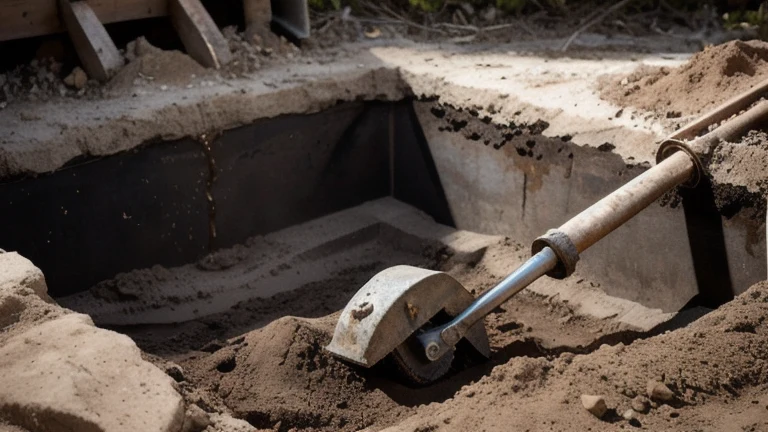
The scenario is a 2.2-metre drainage trench on a new estate after overnight rain. The trench box sits short of the end of the trench, spoil is piled right at the edge, an excavator tracks close to the side and the only ladder is 20 metres from where the pipe layer is working.
Hazards in This Scenario
- Collapse of unsupported sides
- Spoil and materials falling in
- Vehicles too close to the edge
- Water ingress and poor access
The Procedure the Scenario Rehearses
- Inspect at the start of the shift and after rain
- Confirm support covers every place where people work
- Keep spoil and plant back from the edge
- Fit barriers and stop blocks
- Provide ladder access close to the work
- Stop work and get out if the sides move
Mistakes the Scenario Is Built to Catch
- Working beyond the end of the trench box
- Spoil at the edge
- Skipping the inspection after rain
- Ladder too far away
Competence Assessment Matrix
| Decision point | What the assessor sees | Pass standard |
|---|---|---|
| Inspection | Timing | Start of shift and after rain |
| Support | Coverage | No one outside support |
| Edge | Spoil and plant distance | Kept back |
| Access | Ladder position | Close to the work |
What VR Covers
- Collapse shown without risk
- Hidden inspection points
- Weather changes
- Records per supervisor
What VR Does Not Replace
- Temporary works design for support systems
- Hands-on trench box installation
- Real inspection on site
Scope of a One-Scenario Pilot
A pilot builds this scenario as a single module, in Unity or Unreal Engine depending on the visual fidelity the task needs and the headsets on site. It runs on standalone headsets, logs every learner decision, and exports a per-person record for your training file. It is measured against your current method with a test cohort before anything is scaled.
Frequently Asked Questions
How often must an excavation be inspected in the UK?
At the start of each shift in which work is done, after any event likely to affect stability and after any accidental fall of material.
Is there a depth limit for support?
CDM 2015 does not set one. Support depends on the risk, and shallow trenches can still collapse.
Who records inspections?
The competent person. Reports are needed under regulation 24.
Want this scenario built around your site?
We review your current procedure and tell you which parts can be rehearsed in VR and which still need hands-on practice.
Map Your Highest-Risk ScenarioFurther reading
- Work at Height VR Training for UK Construction Sites (Work at Height Regulations 2005)
- Scaffold Inspection VR Training: 7-Day Checks and Reports (Work at Height Regulations, Regulation 12)
- Ladder and Stepladder VR Training for UK Sites (Work at Height Regulations, Schedule 6)
- MEWP VR Training: Scissor and Boom Lift Operation, Entrapment and Rescue (PUWER and LOLER)
- Trenching and excavation safety guide
- All VR training scenarios: United Kingdom
- VR pilot readiness checklist
- How VR training programs are priced