
Crane Operations VR Training for Oman Oil and Gas Contractors
VR crane operations in process areas scenario for Oman oil and gas contractors: practise the key decision and the warning signs before the live job.
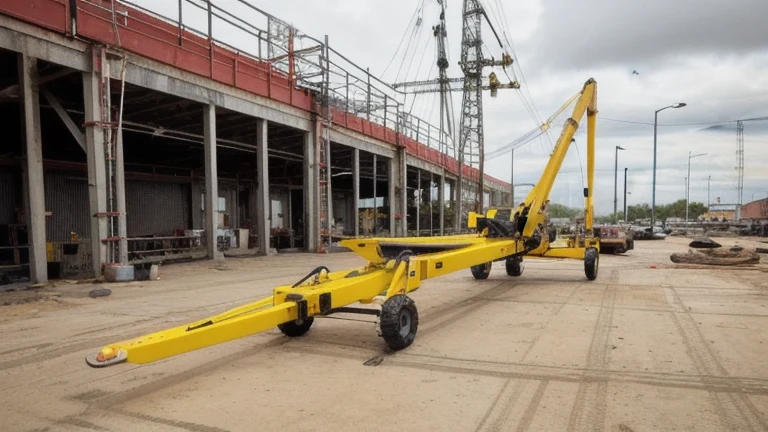
QUICK ANSWER
Crane operations in process areas on Oman oil and gas sites goes wrong when a mobile crane is set up on ground that cannot carry the outrigger load. Contractors working under the HSE systems of operators such as PDO and other Omani concession holders must follow the operator permit and procedure for crane operations in process areas, alongside the Oman Labour Law of 2023. A VR scenario built for crane operations in process areas at a Sohar refinery unit lets crews practise the key decision, to refuse to lift until the ground and load chart are confirmed, before they face it on a live plant. It supports and does not replace certified crane operator training in Oman.
What the Rule Requires
Oman Labour Law (Royal Decree No. 53 of 2023): For crane operations in process areas in Oman, the core employer duties come from the Oman Labour Law of 2023. Operators such as PDO and other Omani concession holders add contractor HSE requirements for crane operations in process areas, and the operator permit is the control on the day. The Oman crane operations in process areas scenario names these sources and is adjusted to the client procedure. The employer must confirm current requirements for crane operations in process areas in Oman with the regulator and the operator.
The Oman crane operations in process areas scenario is set at a Sohar refinery unit. It recreates a mobile crane set up near a buried drain line inside a gas plant, adapted to Omani site rules. Remote interior desert heat in Oman and a tight schedule push the crew to keep going, and the warning sign, soft ground or a buried service under an outrigger pad, appears while everyone is busy with the crane operations in process areas task.
What goes wrong with crane operations in process areas on Oman sites?
On a Sohar refinery unit, crane operations in process areas usually fails in a predictable way: a mobile crane is set up on ground that cannot carry the outrigger load. The early warning is often soft ground or a buried service under an outrigger pad, and on a busy Omani shift that sign is easy to miss. Remote interior desert heat in Oman adds fatigue to crane operations in process areas work, which slows judgement exactly when the crew needs it most. The Oman crane operations in process areas scenario is built around that moment so the learner meets the warning sign and has to act on it.
Contractor crews in Oman often rotate between sites such as a Sohar refinery unit and a Duqm project site, and the crane operations in process areas procedure is not always the same at both. A worker who learned crane operations in process areas at one Omani facility may carry habits that do not fit the next one. The crane operations in process areas VR module for Oman names the local procedure as the reference and asks the learner to check it rather than rely on memory from another Omani site.
The control that matters most for crane operations in process areas on Omani sites is ground checks, outrigger mats and the load chart. It only works on Omani sites when the crane operator and the appointed person use it the same way every time for crane operations in process areas. Training for crane operations in process areas in Oman therefore focuses on the conversation and the decision, not only on knowing the rule.
How is the Oman crane operations in process areas VR scenario built and assessed?
The Prime VR starts a Oman crane operations in process areas scenario from the client procedure and the documents that prove the task was done right, usually ground bearing checks, load chart readings and daily crane checks. The scene recreates a mobile crane set up near a buried drain line inside a gas plant, set at a Sohar refinery unit with the layout, signage and radio calls the crew would expect. The learner moves through the crane operations in process areas job at a Sohar refinery unit, meets the changing condition and must choose what to do next.
Assessment of the Oman crane operations in process areas module follows a simple matrix with a trigger and a pass criterion for each area. A learner passes when they refuse to lift until the ground and load chart are confirmed at the right moment, speak up to the right person and record the action the way the Omani site requires. Wrong crane operations in process areas choices are replayed so the learner sees the result of the decision on a Sohar refinery unit.
Each crane operations in process areas attempt produces a record per worker for the Omani contractor HSE team. Those Oman crane operations in process areas records show which step caused trouble and where the toolbox talk or coaching should focus. The crane operations in process areas records are training evidence only and the Omani employer decides how they fit into the competence system for interior fields, Sohar and Duqm.
Who should train on crane operations in process areas in Oman and how often?
The obvious audience for crane operations in process areas training in Oman is the crew doing the task, but the crane operator and the appointed person benefit as much. Supervisors who rehearse the crane operations in process areas conversation at a Sohar refinery unit are better at stopping a Oman job without conflict. New hires and workers transferring from a Duqm project site are a natural first group for a Oman crane operations in process areas pilot.
How often a Omani crew repeats the crane operations in process areas scenario is an employer decision, guided by the Oman Labour Law of 2023, the operator requirements and the site risk assessment. Sensible triggers include a new project at a Sohar refinery unit, a procedure change, a near miss linked to crane operations in process areas, or a long break from the task. The employer should confirm current crane operations in process areas requirements in Oman with the regulator and the operator.
Multinational crews on Omani plants speak many languages, so the crane operations in process areas module can carry audio and text in the languages the contractor lists. Keeping the same crane operations in process areas decision points in every language means a supervisor at a Sohar refinery unit can compare results across the whole crew.
How does a one scenario crane operations in process areas pilot run in Oman?
A Oman crane operations in process areas pilot begins with a scoping call where the contractor shares the procedure, the site photos it is allowed to share and the decision it wants crews to practise. The Prime VR then returns a scenario mockup for crane operations in process areas within 48 hours so the HSE lead can check that a Sohar refinery unit looks and works the way the crew would expect.
During the Oman crane operations in process areas pilot a small group trains in a cool, quiet room on site or in the camp, with headsets cleaned and charged between users. The HSE lead watches the first runs, reviews the crane operations in process areas results with the supervisor and decides what to change before a wider rollout across interior fields, Sohar and Duqm.
The Oman crane operations in process areas pilot is judged on what the employer can observe: whether learners refuse to lift until the ground and load chart are confirmed, whether the records are useful for the HSE team and whether supervisors at a Sohar refinery unit want to keep using it. VR for crane operations in process areas in Oman never stands in for certified crane operator training, the operator permit or any certification the role needs.
Hazards in This Scenario
- Weak ground under outriggers
- Load over the chart limit
- Overhead lines and structures
- Long response times at remote Omani desert locations
The Procedure the Scenario Rehearses
- Check the ground and buried services
- Use mats under outriggers
- Read the load chart for the radius
- Check overhead clearance
- Agree signals
- Stop if the crane settles
- Confirm the Oman camp medevac route before work starts
Mistakes the Scenario Is Built to Catch
- Guessing the radius
- No mats on soft ground
- Ignoring buried services
- Assuming a fast ambulance at a remote Omani field
Competence Assessment Matrix
| Decision point | What the assessor sees | Pass standard |
|---|---|---|
| Ground | Buried line | Crane moved |
| Chart | Radius grows | Lift replanned |
| Clearance | Pipe rack | Path changed |
| Settle | Pad sinks | Lift stopped |
What VR Covers
- Ground and service checks
- Load chart reading
- Settlement response
- Oman site layout for crane operations in process areas
What VR Does Not Replace
- Crane operator certification
- Concession holder contractor HSE requirements in Oman
- Operator permit for crane operations in process areas
Scope of a One-Scenario Pilot
A pilot builds this scenario as a single module, in Unity or Unreal Engine depending on the visual fidelity the task needs and the headsets on site. It runs on standalone headsets, logs every learner decision, and exports a per-person record for your training file. It is measured against your current method with a test cohort before anything is scaled.
Frequently Asked Questions
Does VR replace crane operations in process areas training required on Oman oil and gas sites?
No. VR for crane operations in process areas in Oman is a rehearsal tool. It does not replace certified crane operator training, the Omani operator procedure or any certification. It gives Oman crews safe practice of the decision to refuse to lift until the ground and load chart are confirmed before the live job.
Which law covers employer safety duties for crane operations in process areas in Oman?
Oman Labour Law (Royal Decree No. 53 of 2023) is the main reference for employer safety duties during crane operations in process areas in Oman. Operators such as PDO and other Omani concession holders add their own contractor HSE requirements for crane operations in process areas. The employer should confirm the current crane operations in process areas rules with the Omani regulator and the operator before rollout.
What is the key decision in the Oman crane operations in process areas scenario?
In Oman the learner must refuse to lift until the ground and load chart are confirmed. The scene at a Sohar refinery unit hides the warning sign, soft ground or a buried service under an outrigger pad, inside normal shift activity, so the learner has to notice it and act instead of waiting for someone else.
Who in a Omani contractor team should train on crane operations in process areas first?
Start with the Omani crew that does the crane operations in process areas task and with the crane operator and the appointed person. New hires and workers moving from a Duqm project site to a Sohar refinery unit are also a good first group because they meet a new crane operations in process areas procedure.
How long does a Oman crane operations in process areas pilot take to set up?
After a Oman scoping call The Prime VR returns a scenario mockup for crane operations in process areas within 48 hours. The full Oman crane operations in process areas build time depends on the procedure detail, the number of languages and how closely the scene must match a Sohar refinery unit.
What does a Oman crane operations in process areas VR session record?
Each Oman crane operations in process areas run records the choices a worker made, when they acted and where they went wrong. The Omani HSE team can use those records next to ground bearing checks, load chart readings and daily crane checks, but they remain training records only.
Running this scenario across several sites or contractors?
We review your current procedure and tell you which parts can be rehearsed in VR and which still need hands-on practice.
Plan a Multi-Site PilotFurther reading
- Permit to Work VR Training for Oman Oil and Gas Contractors
- SIMOPS VR Training for Oman Oil and Gas Contractors
- H2S Awareness VR Training for Oman Oil and Gas Contractors
- H2S Rescue VR Training for Oman Oil and Gas Contractors
- Crane load chart and capacity guide
- Crane signal person basics
- All VR training scenarios: Oman
- VR pilot readiness checklist
- How VR training programs are priced