
PPE Requirements by Hazard: A Practical OSHA Guide
Personal protective equipment is the last line of defense, not the first. OSHA requires employers to assess hazards and match PPE to them, then train workers to use it. Here is how to do it properly.
QUICK ANSWER
OSHA 1910.132 requires employers to perform a hazard assessment, select PPE that matches each identified hazard, provide it, and train workers on when and how to use it, including its limitations. PPE is the last control in the hierarchy, used after elimination, engineering, and administrative controls, and it must be matched by body area: eyes, head, hearing, hands, feet, and respiratory.
Start With the Hazard Assessment
OSHA requires a documented hazard assessment of the workplace to determine what PPE is needed. PPE is chosen to fit the hazard, not the other way around, and it sits at the bottom of the hierarchy of controls: eliminate or engineer out the hazard first, then use PPE for what remains.
PPE by Body Area
- Eyes and face: safety glasses, goggles, or face shields for impact, splash, or radiation.
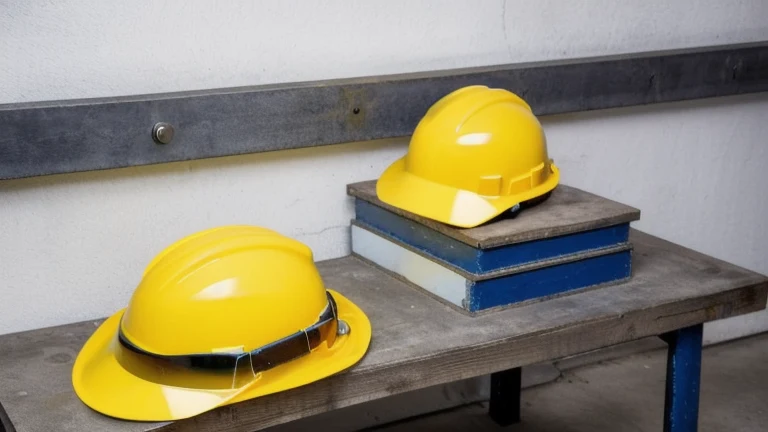
- Head: hard hats where objects could fall or strike.
- Hearing: plugs or muffs where noise exposure exceeds limits.
- Hands: gloves matched to the hazard, cut, chemical, heat, or electrical.
- Feet: protective footwear for impact, compression, or puncture.
- Respiratory: respirators under a separate program (1910.134).
Last, not first
PPE protects one worker if used correctly. Because it depends on human behavior every single time, it is the least reliable control, which is why training and habit matter so much.
Training must cover when PPE is necessary, what to use, and its limitations. Respiratory protection is governed separately, see respiratory protection and fit testing, and PPE ties into the full OSHA requirements checklist.
WE BUILD THIS IN VR — THE PRIME VR
We build PPE training into VR, where workers select the right protection for a given hazard and face the consequence of the wrong choice, safely. It turns a policy into a reflex, matched to the exact hazards of your operation.
Book a discovery callFrequently Asked Questions
Does OSHA require a PPE hazard assessment? +
Yes. Under 1910.132, employers must assess the workplace to determine hazards that require PPE, select appropriate equipment, and verify the assessment. The assessment drives PPE selection.
Who pays for PPE? +
In most cases the employer must provide required PPE at no cost to the worker, with limited exceptions such as ordinary safety-toe footwear and prescription safety eyewear allowed to go home. Employers should confirm the specific rule for each item.
Why is PPE the last line of defense? +
Because it protects only the individual wearing it and depends on correct use every time. The hierarchy of controls prefers eliminating or engineering out a hazard, since those do not rely on ongoing human behavior the way PPE does.
Make PPE selection automatic
We build hazard-matched PPE training into immersive practice.