
Power Plant Operator: Running the Systems That Keep the Lights On
Power plant operators control the massive systems that generate electricity, monitoring, adjusting, and responding to keep power flowing safely. It is a high-responsibility control-room career. Here is what it involves.
QUICK ANSWER
A power plant operator controls and monitors the equipment that generates electricity, adjusting output, watching gauges and controls, and responding to problems to keep the plant running safely. The role demands systems knowledge, vigilance, and calm emergency response. Training is extensive and often includes certification or licensing, given the safety and reliability stakes.
Vigilance Over the Grid
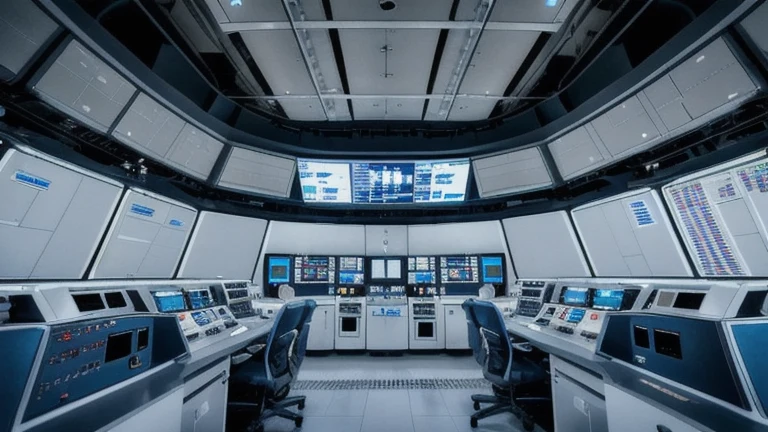
Operators run the plant from the control room, balancing generation against demand, monitoring hundreds of parameters, and adjusting equipment to keep everything within safe limits. Most of the time it is steady vigilance, but when something goes wrong, fast, correct response prevents damage or an outage.
What the Role Demands
- Systems knowledge: understanding how the plant generates power.
- Monitoring: reading gauges, controls, and alarms.
- Adjustment: balancing output safely against demand.
- Emergency response: acting fast and correctly under pressure.
The rare emergency is the real test
Operators spend most shifts monitoring, but their value shows in the rare emergency. That response has to be trained, because there is no time to learn it live.
Power plant operation is a high-responsibility energy role connected to the grid work of the lineman and the controls knowledge behind three-phase power.
WE BUILD THIS IN VR — THE PRIME VR
We build power plant operator training into VR, so operators rehearse normal control-room routine and rare emergency scenarios that cannot be staged on a live plant. Immersive, scored practice builds the vigilance and fast response the role demands.
Book a discovery callMonitoring Systems and Alarms
Operators watch control systems, respond to alarms and keep processes within limits. Knowing which alarms need immediate action is a core skill.
Alarm management prevents overload.
Startup, Shutdown and Emergency Procedures
Procedures for start up and shut down are strict and sequential. Emergency drills prepare operators for rare events.
Follow checklists exactly.
Licensing and Regulation
Some plants require licensing, and nuclear plants have strict requirements. Regulatory compliance and documentation are part of the job.
Check requirements for the plant type.
Control Room Discipline
Clear communication, logs and procedures keep the plant stable. Operators follow strict protocols.
Attention to detail prevents trips.
Environmental Compliance
Emissions and discharge rules apply to plants. Operators must understand and follow them.
Records support audits.
Training and Simulation
Simulators help operators practice startups and emergencies. Regular sessions maintain skills.
Rare events need rehearsal.
Responsibility for the Grid
Power plant operators control the equipment that generates and distributes electricity. They monitor instruments, adjust output to match demand, start and stop equipment and respond when conditions move outside normal limits. The work supports everything else that depends on reliable power.
Plants vary widely. Fossil fuel, nuclear, hydroelectric, gas turbine and renewable facilities each have distinct systems and requirements, and nuclear operators in particular work under extensive licensing and oversight.
What the roles share is the need for vigilance. Much of the shift may be routine, and then a condition changes and the operator must act correctly and quickly.
Reading the Plant
Operators work from control boards and distributed control systems that present hundreds of indications. Learning what normal looks like is the foundation, because deviations are only meaningful against a known baseline.
Trends matter more than single readings. A temperature that is within limits but climbing steadily tells a different story than one that is steady at the same value. Operators learn to watch rate of change, not only absolute numbers.
Alarms require judgment. Some are informational, some demand immediate action, and distinguishing between them under time pressure is a skill built through experience and drills.
Startup, Shutdown and Load Changes
Starting and stopping generating equipment involves long sequences with specific conditions to satisfy at each step. Thermal stress, vibration and electrical synchronization all constrain how quickly things can move.
Load following, adjusting output as demand rises and falls, requires coordination with system dispatchers and awareness of equipment limits. Pushing equipment beyond its ratings shortens life and can cause trips.
Procedures govern these evolutions, and operators are expected to follow them precisely while remaining alert to conditions the procedure did not anticipate.
Abnormal Conditions and Emergencies
Trips, loss of cooling, electrical faults, fires and loss of instrumentation all demand immediate response. Operators train on these scenarios repeatedly so that the first actions are automatic and correct.
Communication during an event is critical. Clear, standardized language between control room and field operators prevents misunderstanding when several things happen at once.
Post event review is part of the discipline. Understanding what happened and why improves both procedures and individual judgment.
Maintenance Coordination and Permits
Operators authorize work on equipment through tagging and permit systems, isolating energy sources so that maintenance can proceed safely. Errors in isolation can injure workers or trip the plant.
This requires understanding system boundaries, valve lineups and electrical configuration well enough to know what a given isolation actually accomplishes.
Returning equipment to service is equally structured. Verifying that isolations are removed and systems are aligned before restart prevents a whole category of incidents.
Training and Qualification
Operator training typically combines classroom instruction, systems study, simulator time and extended on the job qualification under experienced operators. Requirements vary by plant type and jurisdiction.
Simulators are central to this training because they allow operators to experience trips and emergencies that cannot be created in a real plant. Repeated exposure builds the calm that the job requires.
Qualification is not the end. Continuing training, requalification and drills maintain readiness for events that may occur only once in a career.
Common Mistakes and How to Avoid Them
Recurring errors include acknowledging alarms without diagnosing them, deviating from procedure under time pressure, incomplete communication during shift turnover and incorrect equipment isolation.
Supervisors can help by making it acceptable to pause and ask. A culture where questions are treated as competence rather than weakness produces fewer errors in plant operations.
How Employers Evaluate Readiness
Utilities evaluate operators on simulator performance, procedural adherence, quality of logs and judgment during abnormal conditions. Qualification boards examine reasoning, not only recall.
Keeping Skills Current
Plant modifications, procedure revisions and regulatory changes accumulate. Continuing training and periodic requalification keep operators aligned with the plant as it exists now.
What the Role Actually Demands
Operators monitor and control systems that are unforgiving of small deviations, and much of the skill is noticing a trend long before an alarm confirms it.
Understanding why a parameter is drifting matters more than knowing which button responds to the alarm.
Startup, Shutdown and Abnormal Conditions
The highest risk periods are transitions and abnormal operations, which are also the conditions an operator encounters least often in normal service.
That gap between consequence and frequency is precisely why simulator time has been standard practice in this sector for decades.
Procedures, Permits and Isolation
Work on plant systems runs through permits, isolations and verified lineups, and shortcuts in that chain are where serious events originate.
Applicable process safety, permit and isolation requirements should be confirmed with the relevant authority.
Licensing, Qualification and Records
Operator qualification, continuing training and records are regulated in most jurisdictions and carry defined retention and evaluation expectations.
Licensing, process safety and training requirements apply and change, and current obligations should be confirmed with the relevant authority.
Frequently Asked Questions
What does a power plant operator do? +
They control and monitor the equipment that generates electricity, adjusting output, watching gauges and controls, and responding to problems to keep the plant running safely and reliably.
What skills does a power plant operator need? +
Deep systems knowledge, constant vigilance in monitoring, the ability to adjust output safely against demand, and calm, correct emergency response under pressure.
Is power plant operator training difficult? +
It is extensive and often includes certification or licensing. Because the safety and grid-reliability stakes are high, operators train thoroughly, especially on rare but critical emergency scenarios.
What does a power plant operator do? +
Controls and monitors equipment that generates electricity, responding to changes and emergencies.
Do power plant operators need a license? +
It depends on the plant type and jurisdiction, and nuclear operators need federal licensing.
RELATED ARTICLES
Rehearse the rare emergency
We build power plant operator training into immersive, scored VR practice.