
Oxy-Acetylene Cutting: How It Works and Why Safety Comes First
Oxy-acetylene cutting uses two gases and a flame to slice through thick steel, and it demands respect. The process is simple, the safety is not. Here is how it works and what makes it dangerous.
QUICK ANSWER
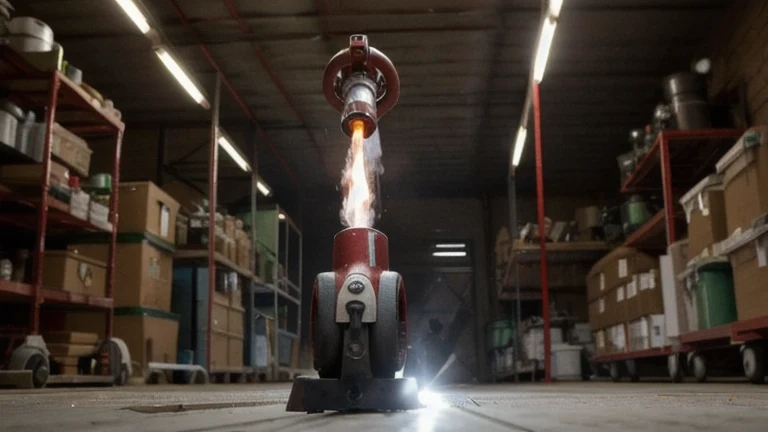
Oxy-acetylene cutting uses a torch that mixes oxygen and acetylene to preheat steel, then a jet of pure oxygen to burn and blow away the metal, cutting a clean kerf. It cuts thick steel with portable equipment, but the compressed, flammable gases demand strict safety: proper setup, leak checks, and flashback protection.
How the Cut Happens
The torch first heats the steel to a cherry red with an oxygen-acetylene flame. Then the operator presses a lever that releases a stream of pure oxygen, which rapidly oxidizes the hot steel and blows the molten metal out of the cut. It is chemistry and gas pressure doing the work, guided by a steady hand.
Why Safety Dominates
- Flammable gases: acetylene is unstable and demands careful handling.
- Cylinder safety: secure storage, upright cylinders, and leak checks.
- Flashback prevention: arrestors and correct shutdown order.
- Fire and burns: sparks, slag, and intense heat.
The gases are the hazard
The cutting is straightforward. The danger is in the compressed oxygen and acetylene, mishandling them can cause fire or explosion, which is why setup and shutdown discipline is non-negotiable.
Oxy-fuel cutting is a core metal-trade skill that pairs with stick welding and connects to broader hot work fire safety.
WE BUILD THIS IN VR — THE PRIME VR
We build oxy-acetylene training into VR, so operators rehearse torch setup, leak checks, cutting technique, and safe shutdown without live gas. Immersive practice hard-wires the safety discipline the process demands, with every step scored.
Book a discovery callFrequently Asked Questions
How does oxy-acetylene cutting work? +
A torch mixes oxygen and acetylene to preheat steel to a red heat, then releases a jet of pure oxygen that oxidizes and blows away the molten metal, cutting through the steel.
Why is oxy-acetylene cutting dangerous? +
It uses compressed, flammable gases. Acetylene in particular is unstable, and mishandling cylinders, leaks, or flashbacks can cause fire or explosion. Strict setup and shutdown discipline is essential.
What is a flashback in oxy-fuel cutting? +
A flashback is when the flame travels back into the torch or hoses, which can be dangerous. Flashback arrestors and correct operating and shutdown procedures prevent it.
RELATED ARTICLES
Drill the safety before the flame
We build oxy-acetylene cutting into immersive, scored VR practice.