
Handling Buying Signals: Reading When the Buyer Is Ready
Reps lose deals two ways: closing too early and killing trust, or too late and losing momentum. Reading buying signals is how a rep times the close.
QUICK ANSWER
Buying signals are the verbal and behavioral cues that a buyer is moving toward a decision, such as asking about implementation, pricing specifics, or timelines. Reading them lets a rep advance or close at the right moment. Missing them means pushing when the buyer is not ready or stalling when they are.
The Signals to Watch
Buyers telegraph readiness through the questions they ask: how implementation works, what onboarding looks like, who else needs to approve, and specific pricing. These are green lights. A rep who keeps selling past them loses momentum.
Respond, Do Not Pounce
- Verbal signals: questions about implementation, timeline, and next steps.
- Confirming signals: a gentle trial question to test readiness without pressure.
- Advancing: proposing the next step naturally when the signal is clear.
A Timing Skill
Reading a room is learned by reps, which is why VR sales practice and a strong objection framework matter.
WE BUILD THIS IN VR — THE PRIME VR
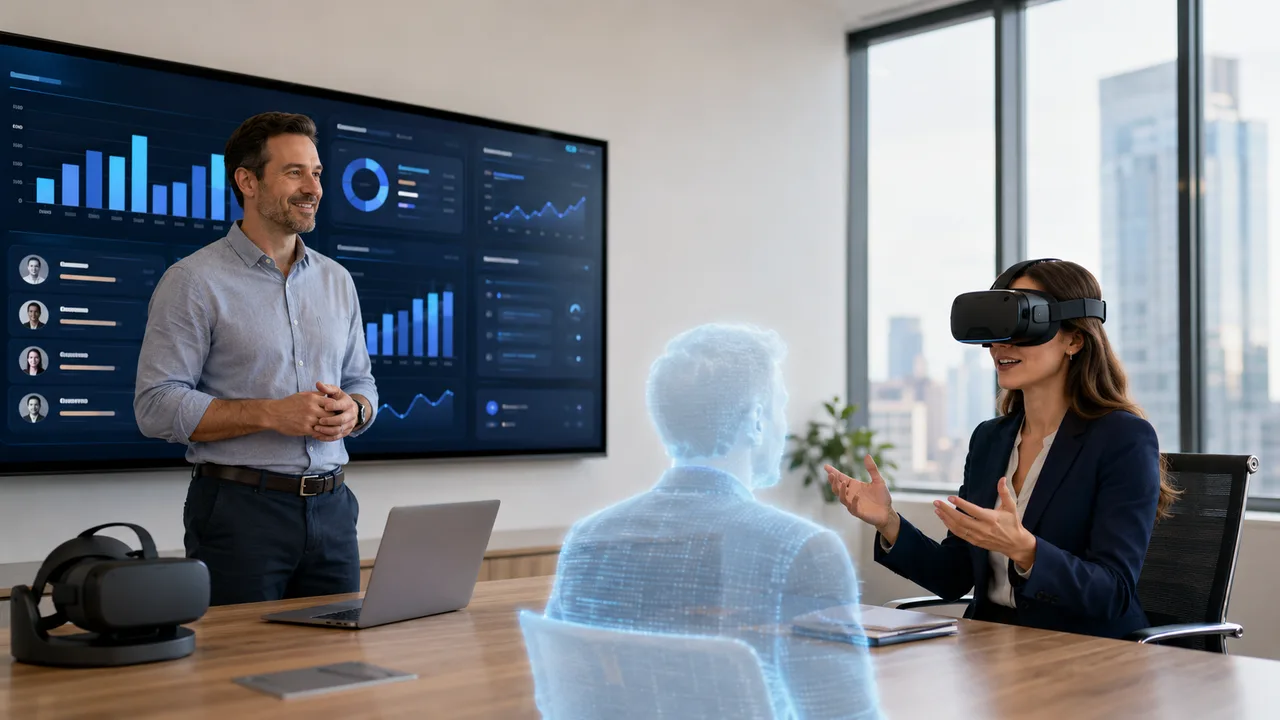
We build signal-reading into VR so reps practice recognizing readiness and advancing at the right moment against a realistic buyer. The scenario rewards good timing and penalizes closing too early or stalling too long.
Book a discovery callFrequently Asked Questions
What are buying signals in sales? +
Verbal and behavioral cues that a buyer is moving toward a decision, such as asking about implementation, pricing specifics, timelines, or who else must approve. They tell a rep when to advance or close.
How do you respond to a buying signal? +
Acknowledge it and gently advance, often with a trial question or a natural next-step proposal, rather than launching into more selling. The goal is to move forward without applying pressure.
Why do reps miss buying signals? +
They stay in pitch mode and keep selling past the moment the buyer is ready, losing momentum. Realistic practice trains reps to listen for readiness and respond.
Time the close right
We build signal-reading practice into scored VR simulations.