
Generator and Transfer Switch Installation: Safe Backup Power
A backup generator is only as safe as its transfer switch. Get the switching wrong and you can backfeed the utility and kill a lineman.
QUICK ANSWER
A safe generator installation uses a transfer switch that physically prevents the generator and utility from being connected at the same time, correct sizing for the connected load, proper grounding and bonding, and a load test under real conditions. The critical hazard is backfeeding the utility, which a listed transfer switch is designed to prevent.
The Transfer Switch Prevents Backfeed
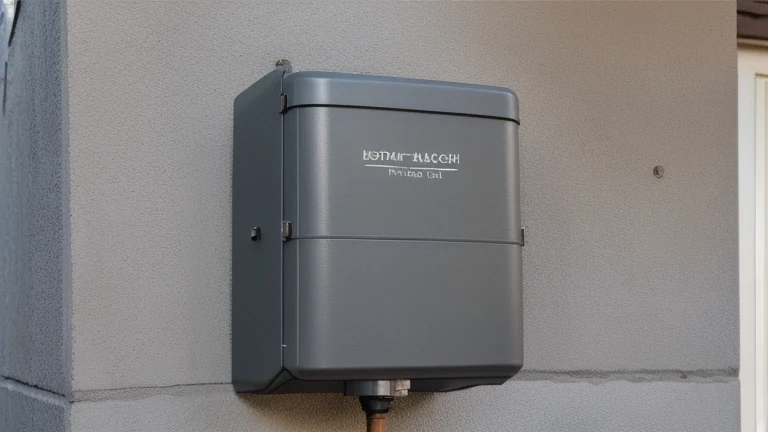
The single deadliest generator mistake is energizing the utility lines through a backfeed. A listed transfer switch, manual or automatic, makes it physically impossible to connect generator and utility power at the same instant. No switch, no safe install.
Sizing and Grounding
- Load sizing: the generator must carry the connected load plus motor starting surges.
- Neutral bonding: handled correctly once, at the right point, to avoid parallel neutral paths.
- Grounding: a proper electrode and bonding path so faults clear safely.
Prove It Under Load
Commissioning runs the generator under real load and simulates a utility outage to confirm the transfer sequence. This extends grounding and bonding and panel work.
WE BUILD THIS IN VR — THE PRIME VR
We build transfer switch installs into VR so electricians practice the interlock logic, neutral bonding, and outage-simulation test on a realistic service. The scoring layer flags any wiring that could backfeed the utility, the mistake that kills linemen.
Book a discovery callAutomatic and Manual Transfer Switches
A transfer switch safely moves the load between utility power and a generator. Automatic switches detect an outage and start the generator, while manual switches require someone to operate them. Both prevent backfeeding utility lines, which is a serious safety hazard.
Never connect a generator to a building without a proper transfer device.
Fuel, Ventilation and Placement
Generators must be placed outdoors and away from openings to avoid carbon monoxide. Fuel storage and supply should follow codes. Exhaust and noise are also considerations.
Maintain distance from combustibles.
Testing and Maintenance
Run the generator regularly under load, change oil and filters on schedule and test the transfer switch. Battery condition is a common cause of starting failure.
Keep records of tests and service.
Maintenance and Testing
Run tests regularly, check fluids and batteries, and record results. Neglected generators often fail when needed.
Follow the manufacturer schedule.
Permits and Code Compliance
Installations usually require permits and inspections. Use qualified professionals.
Verify local rules.
What the System Does
A standby power system detects loss of utility supply, starts a generator and transfers selected loads to it, then returns them when utility power is restored.
The transfer switch is the component that makes this safe, because it prevents generator output from connecting to the utility network.
Systems range from small residential units serving a few circuits to facility scale installations supporting life safety and critical operations.
Why the Transfer Switch Matters
Backfeeding a de energized utility line endangers line workers and anyone near downed conductors, and it is the reason improvised connections are prohibited.
Transfer switches provide a mechanically and electrically interlocked break before make transition that makes simultaneous connection impossible.
Automatic switches operate without intervention, manual switches require someone present, and the choice affects both cost and how the system performs during an unattended outage.
Sizing and Load Management
Sizing must account for the running load plus the starting current of motor loads, which is substantially higher than running current.
Undersized systems fail at the moment they are needed, while oversized generators run inefficiently and suffer from light loading over time.
Load shedding and prioritization allow a smaller generator to serve essential loads, which is frequently more economical than sizing for everything.
Installation Considerations
Fuel type, whether natural gas, propane or diesel, determines runtime, storage requirements and maintenance characteristics.
Placement affects exhaust routing, noise, clearances, flood exposure and accessibility for service, and carbon monoxide from poorly placed units causes deaths every year.
Grounding and bonding arrangements for a separately derived system are defined, and errors create parallel paths or leave equipment unprotected.
Maintenance and Testing
Standby systems fail from lack of exercise rather than from use, and scheduled operation under load is what reveals problems before an outage does.
Fuel degradation, battery failure and coolant issues are the most common causes of a generator failing to start when required.
Facilities with life safety systems generally have defined testing and record keeping requirements, and those should be confirmed for the occupancy and jurisdiction.
Operation and Training
Staff need to know what the system covers, what it does not, how to recognize a failed transfer and what manual intervention is available.
Simulation and structured training let personnel practice outage response and manual transfer procedures without creating an actual loss of power.
Applicable electrical codes, manufacturer instructions and employer procedures govern installation and operation, and requirements vary by jurisdiction and occupancy.
Common Mistakes and How to Avoid Them
Frequent errors include improvised connections that can backfeed the utility, sizing for running load without starting current, placing units where exhaust can enter occupied space and neglecting scheduled exercise and fuel maintenance.
Supervisors can help by making it acceptable to pause and ask. A culture where questions are treated as competence rather than weakness produces fewer errors in standby power.
How Employers Evaluate Readiness
Facilities assess these systems through test records, successful transfer during actual outages, inspection findings, fuel and battery condition and runtime achieved against what was designed.
Keeping Skills Current
Loads, fuel supply and code requirements change. Reviewing sizing and covered circuits after electrical changes prevents discovering during an outage that critical equipment is no longer supported.
Planning and Preparation
Preparation includes determining which loads must be supported, calculating running and starting requirements, selecting switch type and placement, confirming fuel supply and planning the testing schedule.
Documentation That Holds Up
Test and exercise logs, maintenance records, fuel and battery documentation and records of actual transfer events are what demonstrate readiness and what an inspection examines in regulated occupancies.
Frequently Asked Questions
What does a transfer switch do? +
A transfer switch connects a building to either utility or generator power, never both at once. It physically prevents backfeeding the utility grid, which is the deadliest generator hazard.
How is a backup generator sized? +
It must carry the total connected load plus the surge current of motors starting up. Undersizing causes the generator to stall or trip when large loads start.
Why is neutral bonding tricky with generators? +
The neutral must be bonded to ground at exactly one point in the system. A separately derived generator can create a second bond, causing parallel neutral current and nuisance faults if not wired correctly.
Why is backfeeding dangerous? +
It sends power onto utility lines and can electrocute line workers, as well as damage equipment.
How often should a standby generator be tested? +
Many manufacturers recommend running it regularly, such as weekly or monthly, and doing periodic load tests.
Train safe backup-power installs
We build your generator and transfer switch standard into scored VR practice.