
Dental Assistant: Chairside Skills, Training, and Certification
A dental assistant is the second pair of hands that keeps a procedure moving and a practice running. It is a hands-on clinical role with real technique behind it. Here is what it involves and how to train.
QUICK ANSWER
A dental assistant supports the dentist chairside by preparing patients and instruments, passing tools, managing suction, taking x-rays where permitted, and maintaining infection control. Training ranges from on-the-job to accredited programs, and many earn the CDA certification. It blends clinical skill, sterilization discipline, and patient care.
The Chairside Role
During a procedure, the dental assistant anticipates the dentist next move, passes instruments, keeps the field clear with suction, and keeps the patient comfortable. Between patients, they sterilize instruments and prepare the operatory. The role is equal parts clinical technique and infection control.
Core Skills
- Chairside assisting: instrument transfer and four-handed dentistry.
- Infection control: sterilization and operatory setup.
- Radiography: taking dental x-rays where allowed.
- Patient care: comfort, communication, and preparation.
Anticipation is the skill
A great dental assistant hands over the right instrument before it is asked for. That anticipation only comes from knowing the procedures cold.
Certification such as the CDA is common, and infection-control discipline links directly to sterile processing principles used across healthcare.
WE BUILD THIS IN VR — THE PRIME VR
We build dental assisting into VR, so assistants rehearse instrument transfer, suction, and operatory setup until anticipation becomes second nature. Immersive, scored practice builds chairside fluency and sterilization discipline before the real patient.
Book a discovery callChairside Assisting and Instrument Handling
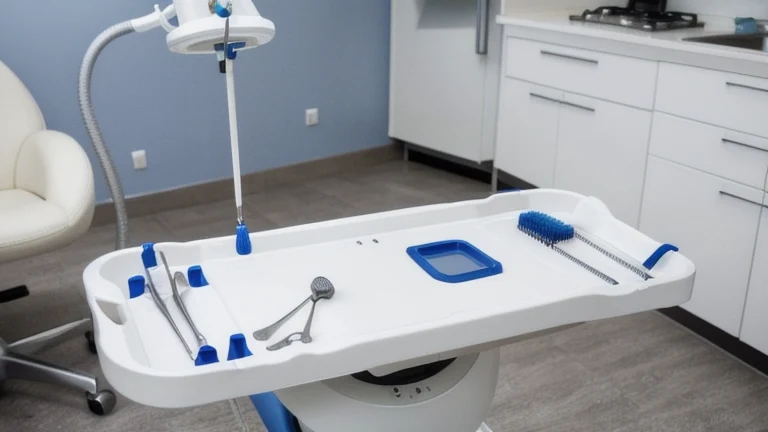
Dental assistants prepare treatment rooms, pass instruments in the correct order and maintain a clear field for the dentist. Anticipating the next step comes from knowing the procedure sequence. Efficient transfer of instruments keeps procedures moving and reduces patient time in the chair.
Familiarity with tray setups for each procedure is a basic skill.
Infection Control and Safety
Assistants follow standard precautions, disinfect surfaces, sterilize instruments and wear appropriate personal protective equipment. They also handle sharps safely and dispose of waste according to regulations.
Documentation of sterilization cycles helps demonstrate compliance.
Radiography and Patient Communication
Depending on state rules, assistants may take dental radiographs after required training. They also explain post-care instructions, calm anxious patients and support the front office with scheduling and records.
Rules for what assistants may do vary by state, so confirm local scope of practice.
Certification Paths
Requirements vary by state. Some allow on the job training, others require formal programs or exams.
Check your state board.
Communication With Patients
Assistants often help anxious patients feel comfortable. Explain steps and be gentle.
Maintain privacy.
The Role
Dental assistants support clinical procedures, prepare and maintain instruments and operatories, take radiographs where permitted and manage infection control.
Many also handle scheduling, records and patient communication, which makes the role a mix of clinical and administrative work.
Scope varies substantially by state, and some functions require specific certification or registration to perform.
Education and Credentialing
Entry paths include accredited programs of roughly nine months to two years, and in some states on the job training remains possible for a limited scope.
Certification examinations exist for the profession and for specific functions including radiography and expanded functions.
Requirements differ by state and should be confirmed with the relevant state dental board rather than assumed from general description.
Chairside Work
Four handed dentistry requires anticipating the dentist next instrument and transferring it without the operator looking away from the field.
Isolation, suction and retraction directly affect the quality of restorative work and the patient experience during a procedure.
Knowing the sequence of common procedures is what allows anticipation, and memorizing instruments without understanding the procedure does not produce it.
Infection Control
Instrument processing, including cleaning, packaging, sterilization and monitoring with biological indicators, is a defined process with documentation requirements.
Surface disinfection, barriers and operatory turnover between patients require specific products used according to their contact times.
Water line maintenance in dental units is a recognized concern with defined treatment and testing expectations.
Radiography and Safety
Radiographic technique affects diagnostic quality and patient dose, and retakes from poor positioning are the most common avoidable exposure.
Radiation safety, including shielding, positioning and dose limitation, is regulated and varies by state.
Sharps handling, chemical exposure from dental materials and aerosol generation during procedures each carry defined precautions.
Building Competence
Chairside efficiency develops through repetition with the same operators, and each dentist has preferences that are learned rather than taught.
Simulation allows practice of instrument transfer, isolation technique and radiographic positioning without occupying a chair or exposing a patient.
State dental practice acts, board regulations and employer procedures govern scope, and assistants should confirm what they are permitted to perform in their jurisdiction.
Common Mistakes and How to Avoid Them
Common errors include performing functions outside the scope permitted in the state, incomplete sterilization monitoring documentation, rushed operatory turnover and repeated radiographic retakes from positioning error.
Supervisors can help by making it acceptable to pause and ask. A culture where questions are treated as competence rather than weakness produces fewer errors in dental assisting.
How Employers Evaluate Readiness
Employers assess assistants on chairside efficiency, infection control compliance, radiographic quality, patient feedback, reliability and current certification status.
Keeping Skills Current
Scope rules, materials and infection control guidance change. Confirming current state board requirements prevents performing a function that is no longer permitted or requires a credential recently introduced.
Planning and Preparation
Preparation before a procedure includes reviewing the schedule and patient record, setting up the tray for the specific procedure and operator, confirming materials are within date and preparing the operatory barriers.
Documentation That Holds Up
Sterilization monitoring logs, radiographic records, patient chart entries and credential documentation are what support infection control review and what a board inspection examines.
Related Guides
These cover adjacent ground with a different focus:
Dental Assistant Guide: what to know
This guide covers what it is, who is required to complete it, how it is usually delivered, and what The Prime VR changes when the same material is rebuilt as scored practice in a headset. Every attempt is logged, so competence is something you can see rather than assume.
Frequently Asked Questions
What does a dental assistant do? +
They assist the dentist chairside by preparing patients and instruments, passing tools, managing suction, taking x-rays where permitted, and maintaining infection control and operatory setup.
How do you become a dental assistant? +
Paths range from on-the-job training to accredited programs. Many assistants earn a certification such as the CDA, and some states have specific requirements for tasks like radiography.
What is four-handed dentistry? +
It is the coordinated teamwork where a dental assistant transfers instruments and manages the field so the dentist can work efficiently without interruption, effectively giving the procedure four working hands.
Do dental assistants need to be certified? +
Requirements differ by state. Some require certification or registration for tasks such as radiography, while others have fewer requirements.
How long does dental assistant training take? +
Programs can range from several months to about a year, depending on the program and state.
RELATED ARTICLES
Build chairside anticipation
We build dental assisting into immersive, scored VR practice.